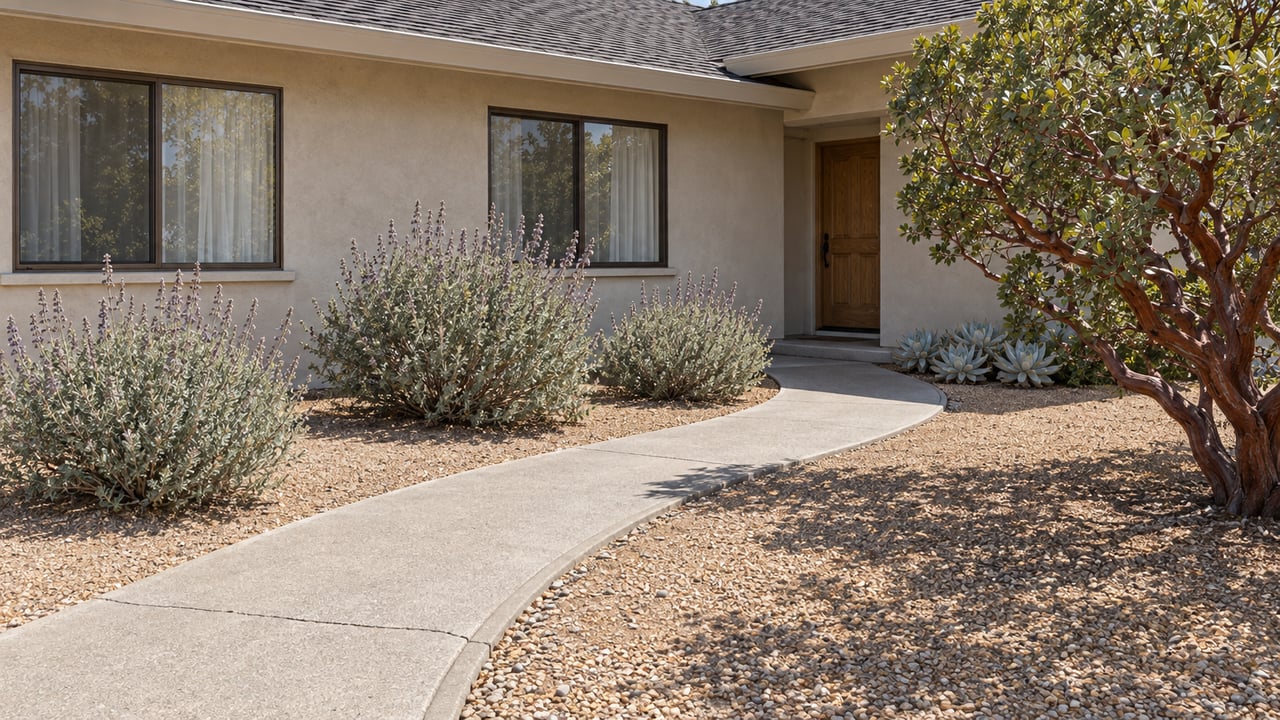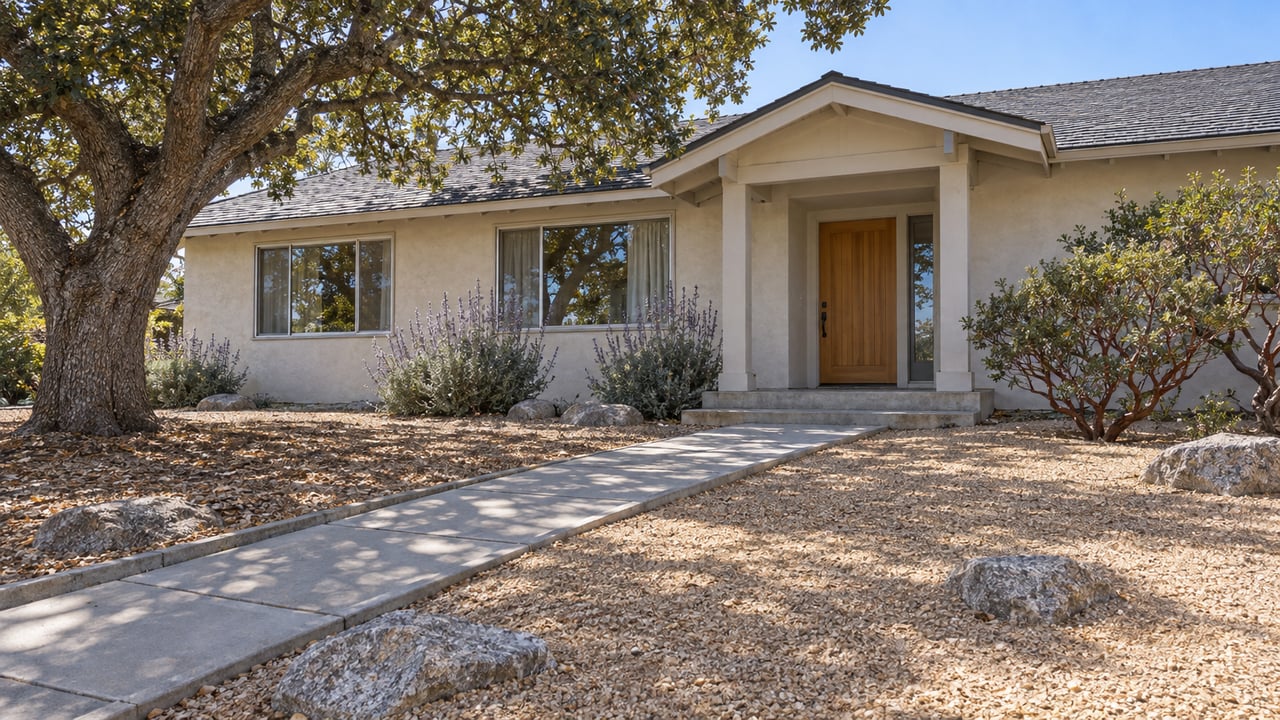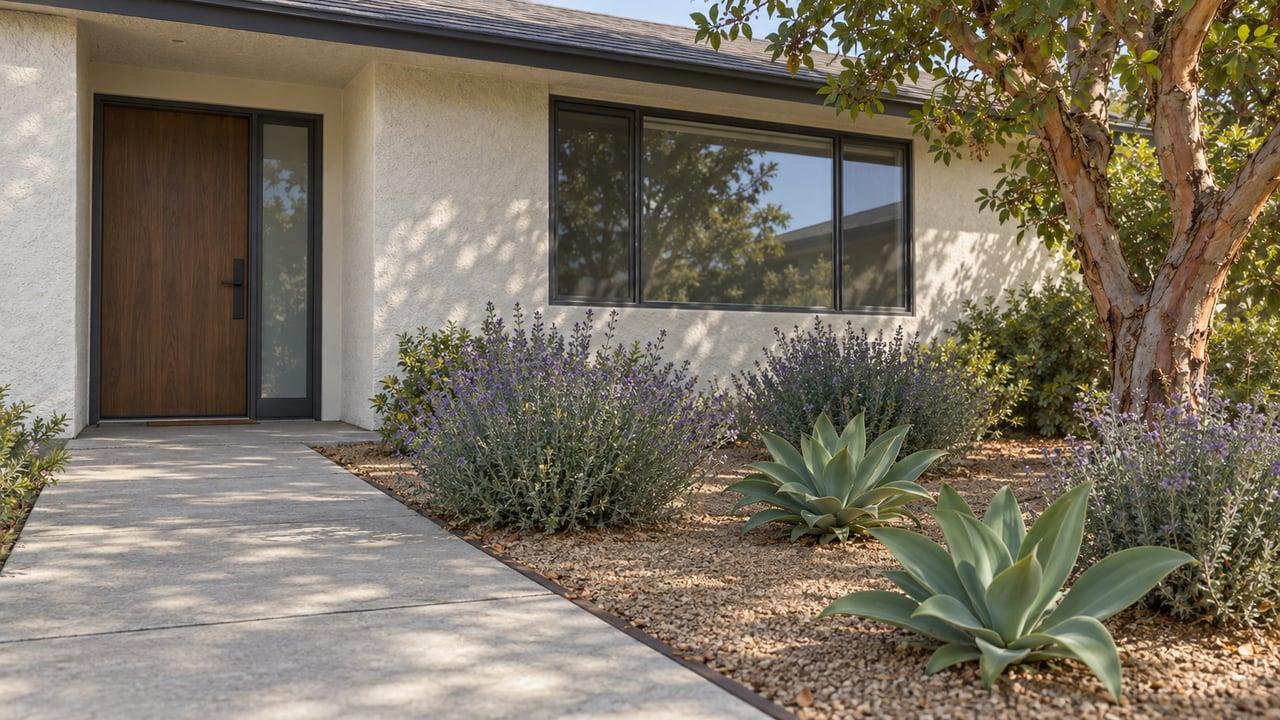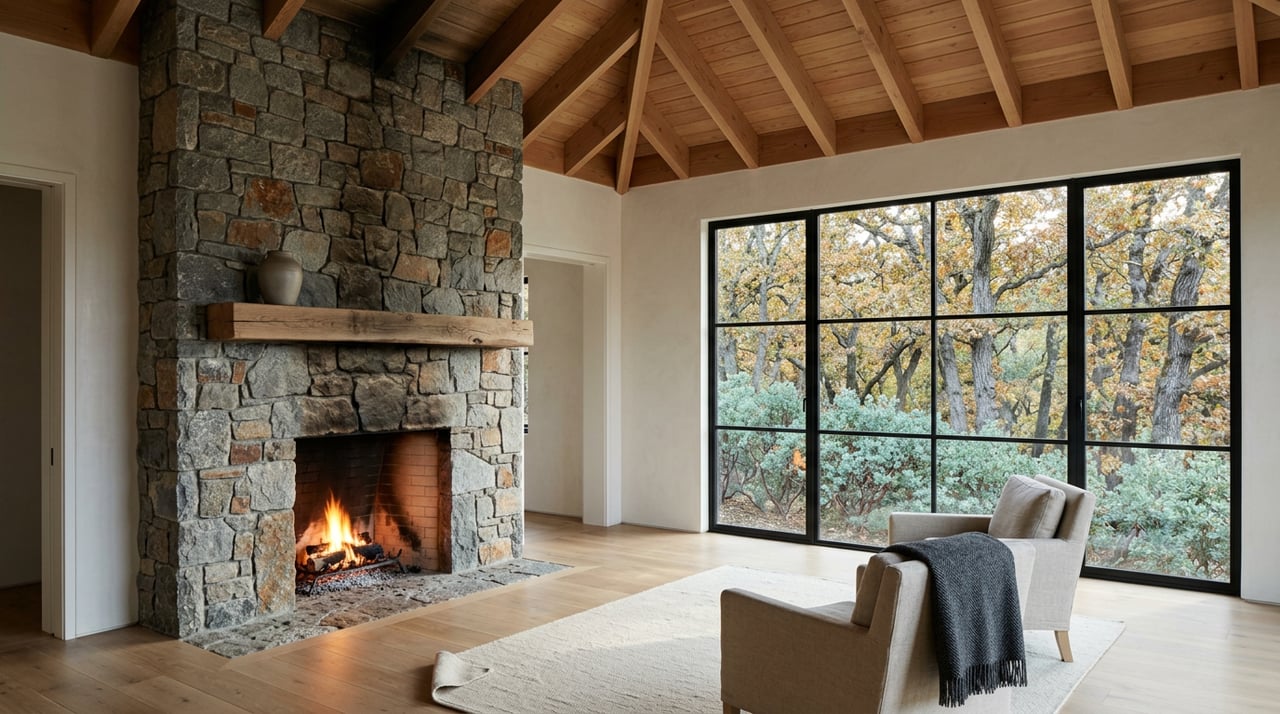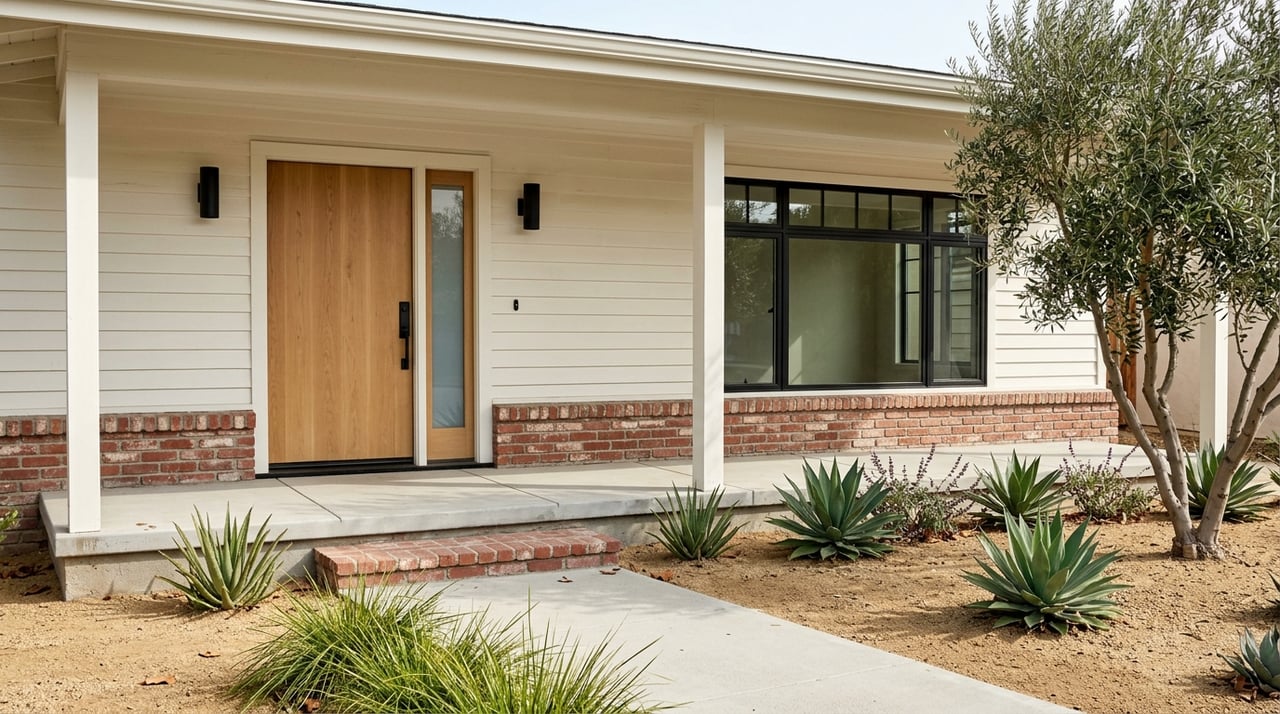
If you own an older home in La Mesa, you may be wondering whether it can still stand out against newer, more updated options. The short answer is yes. In a market where well-priced homes are still moving quickly, older homes can compete very well when they offer the character buyers love without the repair list they fear. This guide will show you what helps older La Mesa homes win attention, stronger offers, and smoother sales. Let’s dive in.
La Mesa Is Still a Strong Seller Market
La Mesa remains a competitive market, and that matters before a buyer even starts judging a home's age or condition. Recent market data shows median sale prices in the high $800,000s, homes going pending in as little as 16 days on some platforms, and sale-to-list ratios around 100%.
That does not mean every home sells the same way. It means buyers are active, inventory is limited, and homes that feel well-prepared can move fast. Redfin also reports that hot homes can go pending in about 9 days and sell around 3% above list price.
Older Homes Define La Mesa
Older housing is not a side note in La Mesa. It is a major part of the city’s identity. La Mesa’s Housing Element says about 87% of the city’s housing stock was built more than 30 years ago, and many homes near downtown and across the city date back to the early 1900s.
That older stock includes the kinds of homes many buyers actively seek out for style and setting. City preservation materials describe classic housing types such as Craftsman and Spanish Revival bungalows and houses, which are part of the familiar La Mesa look.
A county planning document reinforces the same point. It says 73.8% of La Mesa’s occupied housing units were built before 1980, which helps explain why buyers in this market often compare older homes against other older homes, not just brand-new construction.
What Buyers Want From Older Homes
Buyers may appreciate charm, but they still care deeply about convenience. Zillow’s 2024 consumer research found that move-in-ready condition, modern floor plans, energy efficiency, and lower maintenance were key reasons buyers leaned toward new construction.
That insight matters for La Mesa sellers. Your older home does not need to become a new build, but it does need to reduce the same friction points buyers hope to avoid. If your home feels easy to move into and easy to maintain, it can compete far more effectively.
Zillow also found that many existing-home buyers were under some degree of urgency. That means a home that feels ready now can have a real edge, especially when buyers also prefer the location or style of older housing.
Why Condition Matters More With Age
As homes get older, buyers often assume more risk. San Diego County’s housing background report notes that homes over 30 years old generally need minor repairs and modernization, while homes over 50 years old are more likely to need major rehabilitation such as roofing, plumbing, and electrical work.
La Mesa’s Housing Element uses similar language, pointing to common needs like plumbing repairs, roof work, foundation issues, and other improvements. Even when a home has great bones, visible deferred maintenance can quickly affect buyer confidence.
In practice, buyers often price in what they think they will have to fix. That can lead to lower offers, more negotiation, or requests for credits. On the other hand, documented updates and a clean, functional presentation can help an older home feel far less risky.
The Biggest Ways Older Homes Compete
Turn-Key Condition
This is often the clearest advantage. Buyers consistently reward homes that feel ready to occupy, especially when they want to avoid immediate repairs or disruption.
You do not always need a full remodel to create that feeling. A home can compete well when the major systems appear cared for, surfaces are clean, and the overall impression is that the next owner can move in without tackling a long project list.
Functional Flow
Buyers often want layouts that feel practical for daily life. Zillow’s research shows that modern floor plans matter, which does not always mean tearing down walls or fully redesigning the house.
Sometimes functional flow comes from simple improvements. Better furniture placement, opening sightlines where appropriate, or showing how a room can be used clearly can help an older layout feel more current.
Lower Maintenance Appeal
Older homes often lose ground when buyers expect constant upkeep. They gain ground when you can show that important items have already been addressed.
If roofing, plumbing, electrical, or other major systems have been updated, that matters. It helps shift the buyer’s focus from age alone to ownership confidence.
Character With Proof of Care
La Mesa buyers are often drawn to homes with personality. Original architectural details, classic facades, and established settings can be a real strength.
Character works best when it is paired with upkeep. Buyers are much more likely to value older details when the home feels maintained rather than neglected.
Where Older Homes Often Lose Buyers
Older homes usually struggle for predictable reasons. The issue is not the year built by itself. The issue is the amount of uncertainty the buyer feels.
Common friction points include:
- Visible deferred maintenance
- Aging roofs, plumbing, or electrical systems
- Dated finishes that make the home feel like a future project
- Layouts that feel awkward or hard to use
- Signs that repair work has piled up over time
In some parts of La Mesa, condition concerns may be more noticeable than in others. The city’s Housing Element notes a higher prevalence of substandard units in the western part of the city, north of University Avenue and south of Interstate 8, which is one reminder that buyer perception can vary by location as well as by house.
Do You Need a Full Remodel?
Usually, no. The better question is whether your home removes enough buyer objections to compete well.
The research suggests buyers reward homes that feel move-in ready, but that does not automatically mean a seller must complete a major renovation. In many cases, addressing deferred maintenance, improving presentation, and documenting important upgrades can do more for your sale than chasing every trend.
A smart pre-listing plan often starts with the basics:
- Repair visible maintenance issues
- Address any obvious system concerns
- Refresh worn or dated areas where practical
- Make the layout feel clear and usable
- Present the home as clean, cared for, and easy to own
Historic Features Can Be a Real Asset
In La Mesa, older does not only mean old. In some cases, it can also mean historically meaningful or architecturally distinctive.
The city supports preservation through landmark status and Mills Act property tax relief, which can help make ownership of historic housing more cost effective. If your home has notable historic features, those details may add appeal when they are documented and maintained.
That said, buyers still want confidence. Historic charm tends to carry the most weight when it comes with practical updates and a well-kept overall condition.
Important Pre-1978 Repair Rules
If your home was built before 1978, repair planning needs extra care. La Mesa’s Building Division says work on homes built before 1978 must be done by EPA Lead-Safe Certified contractors.
That does not mean you should avoid improvements. It means you should plan them properly and use qualified professionals when needed. For sellers preparing an older home for market, that step can help avoid delays and keep pre-listing work on track.
How to Position an Older La Mesa Home to Win
The best-performing older homes in La Mesa usually do three things well. They preserve the character buyers came for, reduce the repair concerns buyers worry about, and present the home in a way that feels simple to say yes to.
That is where strategy matters. Pricing, preparation, and presentation all work together. In a competitive seller market, buyers may move quickly, but they still compare condition, layout, and perceived upkeep very closely.
A thoughtful listing plan for an older home often includes:
- A clear review of likely buyer objections
- Prioritizing repairs with the strongest return in marketability
- Highlighting upgrades and maintenance history
- Professional photography and video that show both charm and livability
- Pricing that reflects condition honestly and competitively
For higher-end homes, presentation can matter even more. When a property is near or above the $1 million range, strong visuals, polished marketing, and broad exposure can help an older home compete with newer alternatives on value and lifestyle.
If you are planning to sell within the next year, the goal is not to erase your home’s age. The goal is to make age feel like character, not work.
If you want a clear plan for how your La Mesa home would compete in today’s market, Steven Sladek can help you evaluate condition, pricing, and the smartest next steps before you list.
FAQs
How do older homes in La Mesa compete with newer homes?
- Older La Mesa homes compete best when they combine character, strong location, and move-in-ready presentation with fewer visible repair concerns.
Does an older La Mesa home need a full remodel before listing?
- Not necessarily. Many sellers can compete well by fixing deferred maintenance, improving function and presentation, and documenting key upgrades.
What do buyers in La Mesa want from an older home?
- Buyers tend to respond well to homes that feel turn-key, have practical layouts, and offer lower maintenance along with the style older homes often provide.
Are historic features a benefit when selling a La Mesa home?
- Yes, they can be, especially when those features are maintained and documented. La Mesa also supports preservation through landmark status and Mills Act property tax relief.
What should sellers know about repairs on pre-1978 La Mesa homes?
- La Mesa says work on homes built before 1978 must be done by EPA Lead-Safe Certified contractors, so pre-listing repairs should be planned with that requirement in mind.