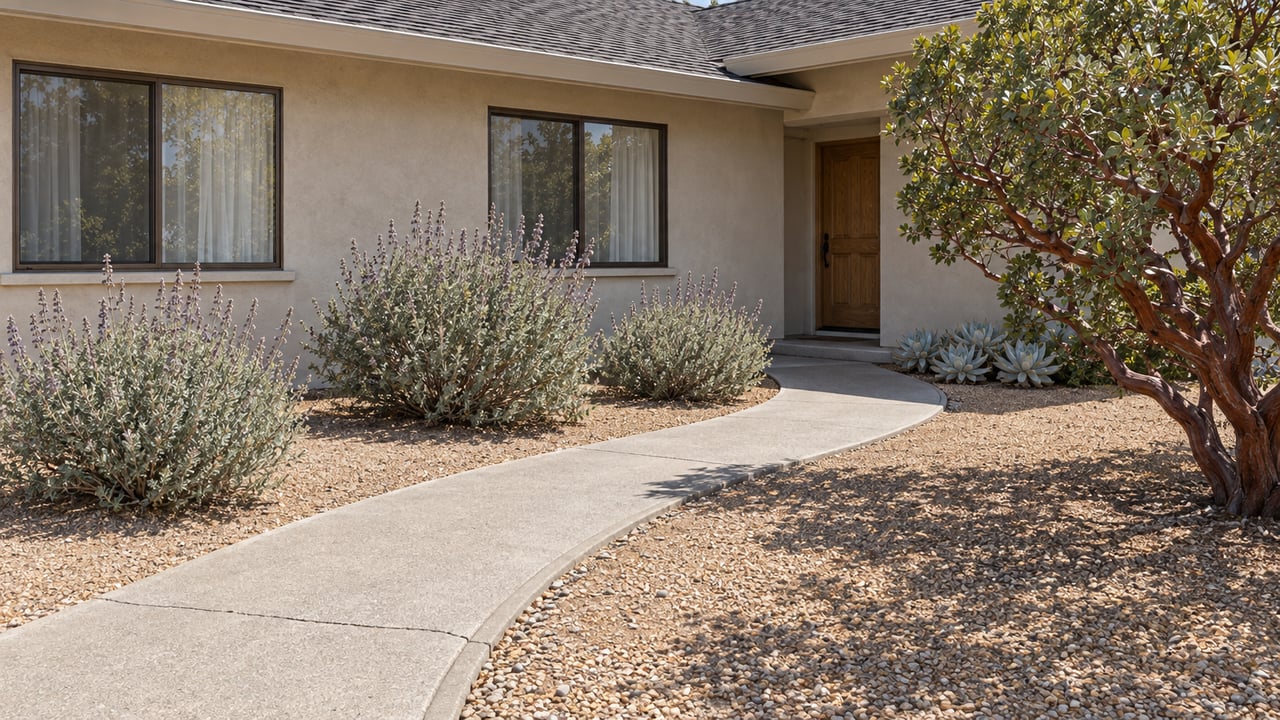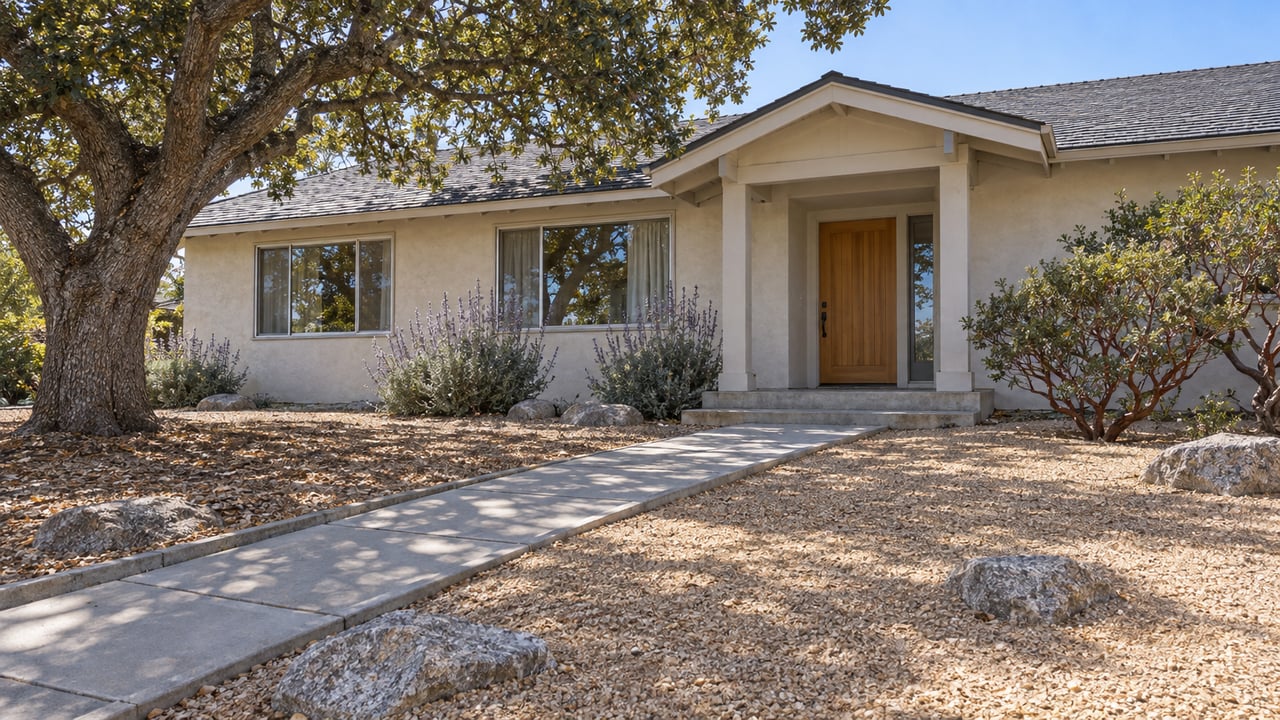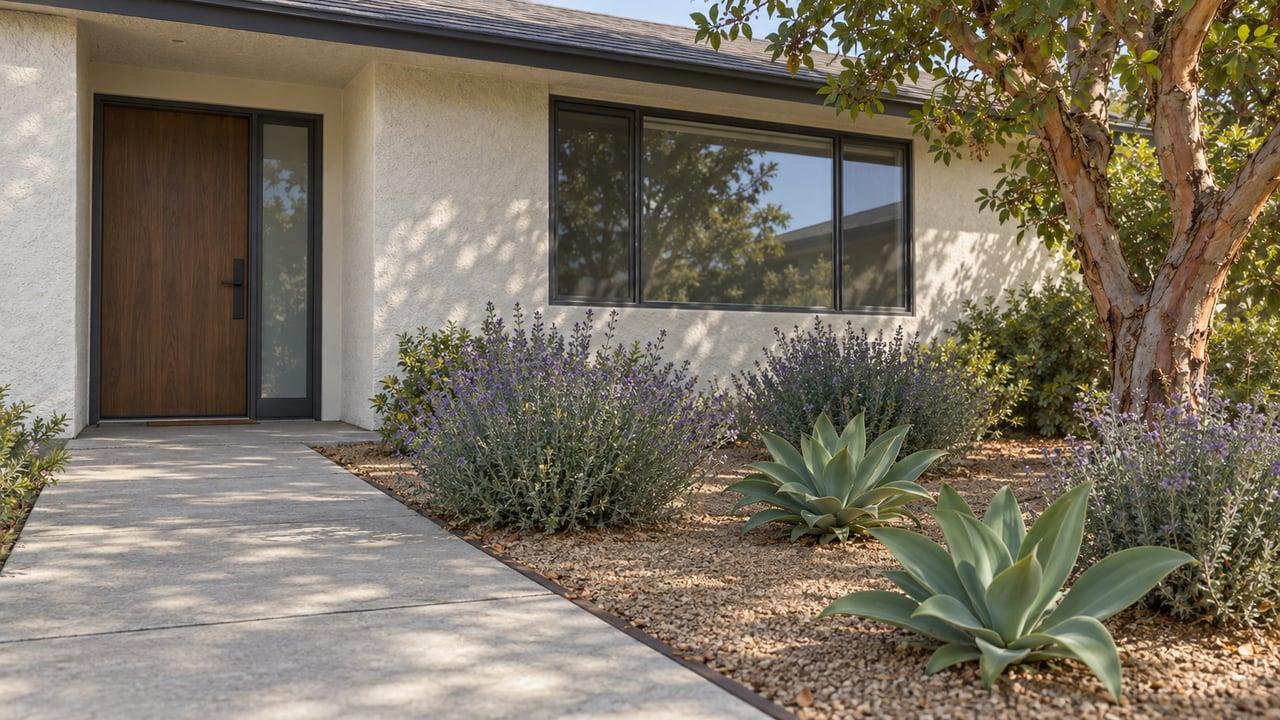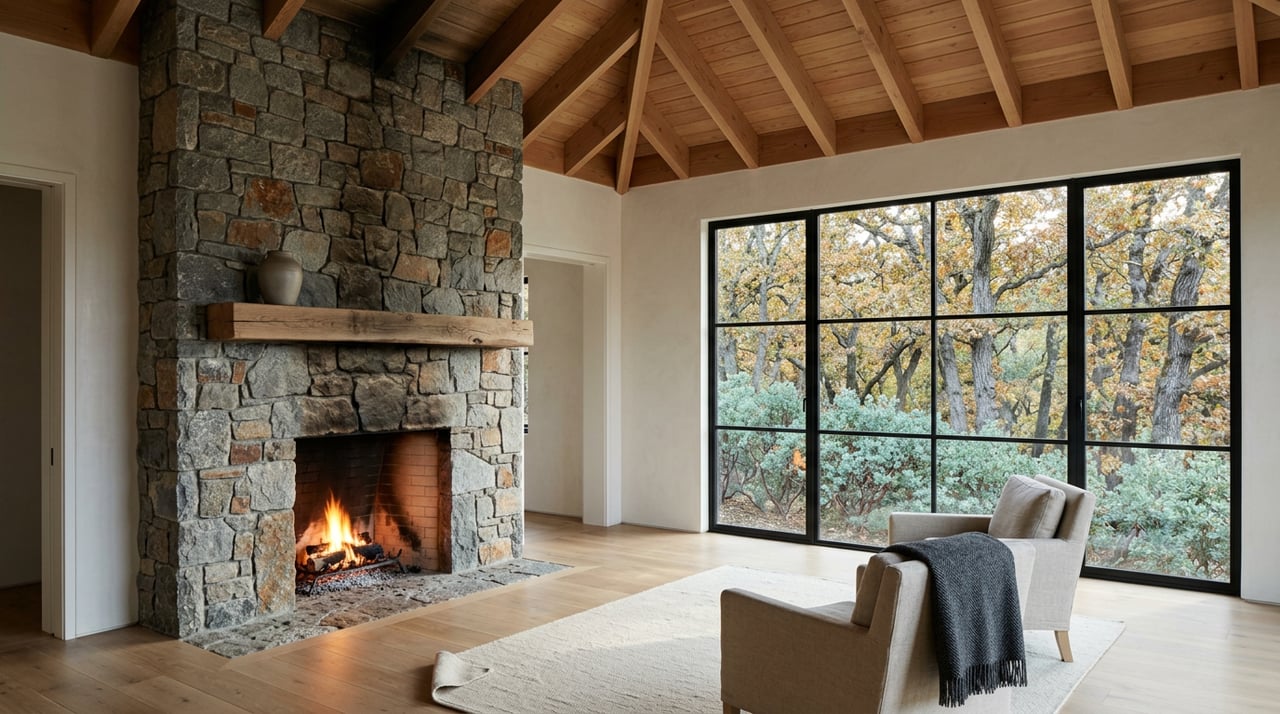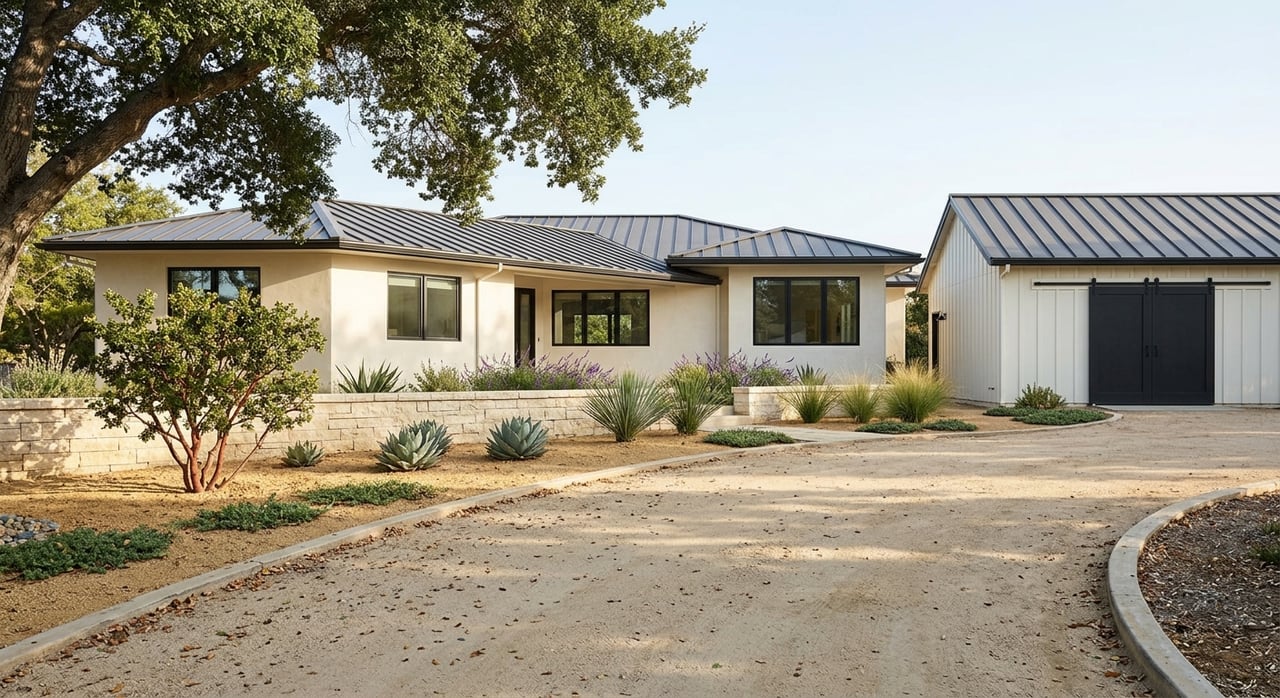
If you have only bought suburban homes before, buying acreage in Jamul can feel like a completely different game. Bigger lots, more privacy, and room for animals or future projects can be exciting, but they also come with questions you may not have faced before. This guide will help you understand what first-time acreage buyers should look for in Jamul, what ownership really costs, and how to decide if this rural East County lifestyle fits your goals. Let’s dive in.
Why Jamul attracts acreage buyers
Jamul offers a rural setting that is increasingly hard to find in San Diego County. According to San Diego County’s Jamul community planning overview, the Jamul/Dulzura subregion covers about 168 square miles and includes small rural communities where large parcels are common.
That larger-lot pattern is not random. The county’s land-use framework for semi-rural and rural areas supports low-density residential estates and open-space uses, and in many areas outside certain boundaries, the plan allows no more than one dwelling per ten acres. You can see how that policy shapes the market in the county’s Housing Element Appendix.
For many buyers, the appeal is simple: more breathing room, more privacy, and more flexibility than you typically get in denser neighborhoods. If you want space for vehicles, animals, outdoor recreation, or a quieter day-to-day routine, Jamul stands out.
What Jamul homes look like
Acreage in Jamul does not mean just one kind of property. You may come across older ranch homes on usable land, larger custom residences, hillside estates, or properties marketed for horses, pasture, agriculture, or privacy.
The county’s Jamul Community Plan supports rural densities and notes that agricultural activities are an essential part of community life. It also states that keeping animals and other agricultural land uses on residential parcels of one acre or larger is desirable, which helps explain why animal-friendly properties are a regular part of the local market.
That variety is important for first-time acreage buyers. One home may offer flat, usable land near the house, while another may have a much larger parcel with steep terrain where the value is tied more to privacy, views, or long-term flexibility.
Start with lot usability
One of the first questions to ask is not just how big the parcel is, but how much of it you can actually use. A five-acre property can function very differently from another five-acre property depending on slope, access, vegetation, and how the improvements are placed on the lot.
When you tour homes, pay close attention to where you can realistically park, garden, add fencing, keep animals, or create outdoor living areas. A property may sound impressive by acreage alone, but your daily experience will depend on the usable portion near the home and how easy it is to access the rest of the land.
This is especially relevant in Jamul, where current listing and community-guide material shows everything from flatter horse properties to mountainside and hilltop estates. For a first-time buyer, usable land often matters more than the headline parcel size.
Verify water and wastewater early
This is one of the biggest shifts for buyers coming from more typical suburban neighborhoods. In Jamul, utility setup is often more property-specific.
The county states that the subregion has no sewer system, and imported water service is available only in the northwestern portion. The Jamul Community Plan also notes that wastewater for residential uses is limited to on-site sewage disposal systems.
That means you should confirm these basics early in the buying process:
- What is the property’s water source?
- Is the home on an on-site sewage disposal system?
- Are there any known system limitations or maintenance needs?
- Are there parcel-specific conditions that could affect future use?
For first-time acreage buyers, these are not small details. They can affect budget, maintenance, and long-term plans for the property.
Budget beyond the mortgage
Acreage ownership often costs more than the monthly payment suggests. Jamul’s housing numbers show why it is smart to budget carefully before you buy.
According to the U.S. Census QuickFacts for Jamul, the median owner-occupied home value is $1,047,300. The same source reports median monthly owner costs of $3,429 with a mortgage and $1,312 without a mortgage.
Those numbers do not tell the whole story for acreage properties. You should also think through recurring costs such as:
- Vegetation management
- Driveway or private road upkeep
- Irrigation and landscape maintenance
- Fencing and gate maintenance
- Septic or on-site system servicing, where applicable
Even a relatively smaller acreage parcel can create real upkeep demands. One current community guide reports a median lot size of about 47,044 square feet, which is enough land to require regular maintenance.
Plan for defensible space
Wildfire preparedness should be part of your budget and your routine. In Jamul, this is not an optional afterthought.
County Fire’s defensible space guidance explains that defensible space is the buffer around a structure, and county rules require property owners to maintain that buffer. On brushy or hillside lots, that can mean recurring trimming, clearing, irrigation, and cleanup work.
When you evaluate a home, look at the condition of the land around the structure and ask yourself what it will take to maintain it consistently. A beautiful rural setting can also come with real long-term maintenance responsibilities.
Check access and road conditions
Road access can affect both convenience and cost. In rural areas, the last stretch to the home can matter almost as much as the home itself.
The Jamul Community Plan notes the importance of maintaining the existing road system and says future developments should meet county standards for lot design and street patterns. For buyers, the practical takeaway is that driveways, private roads, and day-to-day access deserve close attention.
Ask simple questions during your home search:
- Is the driveway easy to navigate year-round?
- How much maintenance does the access road require?
- Is the approach steep, narrow, or shared?
- Will deliveries, trailers, or larger vehicles have any issues?
These details shape everyday livability more than many first-time buyers expect.
Know the rules for animals and land use
Many buyers are drawn to Jamul because they want land that can support horses, chickens, or other rural uses. That can be a great fit, but you should still confirm what is allowed on a specific parcel.
The county’s Jamul Community Plan says that keeping animals and agricultural uses on residential parcels of one acre or larger is desirable. At the same time, parcel-specific zoning, land-use rules, and HOA restrictions can still affect what you can do.
Do not assume every acreage property offers the same flexibility. Some homes may be in gated HOA communities, while others have no HOA at all. If animals or specific land uses are part of your plan, verify those details before you move forward.
Consider privacy versus convenience
Jamul’s rural character is a big part of its appeal, but it comes with tradeoffs. If you are buying here, you should be honest about the kind of daily routine you want.
The county plan limits most commercial development to one centralized area near Highway 94 and Jefferson, and public transportation is limited. Census data also shows the mean travel time to work is 33.6 minutes, which reflects the car-dependent nature of the area.
At the same time, Jamul is not cut off. The same census source reports that 91.9% of households have a broadband subscription, which can support remote work and home-based routines better than many buyers expect from a rural setting.
If you value open space, privacy, and a quieter pace, Jamul may feel like a strong fit. If you want quick errands, dense services, and a low-maintenance suburban routine, you may need to think more carefully about the tradeoff.
A simple first-time buyer checklist
Before you write an offer on a Jamul acreage home, make sure you have answers to these core questions:
- How much of the parcel is truly usable?
- What is the water source?
- Is the property served by an on-site wastewater system?
- What ongoing vegetation management will be required?
- What are the road, driveway, and access conditions?
- Are animals allowed, and are there zoning or HOA limits?
- How will the commute work for your daily routine?
- Does the property’s maintenance level match your budget and lifestyle?
For many buyers, this checklist is what turns a property from “interesting” into “practical.”
Is Jamul right for you?
Jamul tends to work best for buyers who want room, privacy, and a more rural lifestyle within San Diego County. It can be especially appealing if you are comfortable with land stewardship, car dependence, and the extra homework that comes with parcel-specific utilities and use rules.
For a first-time acreage buyer, the goal is not just finding a beautiful home. It is finding a property that fits how you actually want to live, what you can comfortably maintain, and how much flexibility you want for the future.
If you are thinking about buying in Jamul and want clear guidance on what to look for from parcel to parcel, Steven Sladek can help you navigate the details with local insight and a practical, buyer-focused approach.
FAQs
What makes Jamul different from a typical suburban home search?
- Jamul is a rural part of southeastern San Diego County where larger parcels are common, utilities can be more property-specific, and buyers often need to evaluate land usability, access, water, and on-site wastewater systems more closely.
What should first-time acreage buyers in Jamul ask about lot usability?
- You should ask how much of the parcel is flat or accessible, how the slope affects use, and whether the land supports your goals for parking, animals, outdoor space, or other uses.
What wastewater setup is common for Jamul homes?
- According to San Diego County planning documents, residential wastewater in Jamul is limited to on-site sewage disposal systems because the area does not have a sewer system.
What ongoing costs should buyers budget for with Jamul acreage homes?
- Beyond the mortgage, you should plan for vegetation management, irrigation, fencing, access or driveway upkeep, landscape maintenance, and any servicing tied to on-site utility systems.
Are animals allowed on acreage property in Jamul?
- County planning documents support animal-keeping and agricultural uses on many residential parcels of one acre or larger, but you should still verify parcel-specific zoning rules and any HOA restrictions before you buy.
How rural is daily life in Jamul for commuters?
- Jamul is generally car-dependent, and the U.S. Census reports a mean travel time to work of 33.6 minutes, so commute patterns and errand convenience should be part of your decision-making.