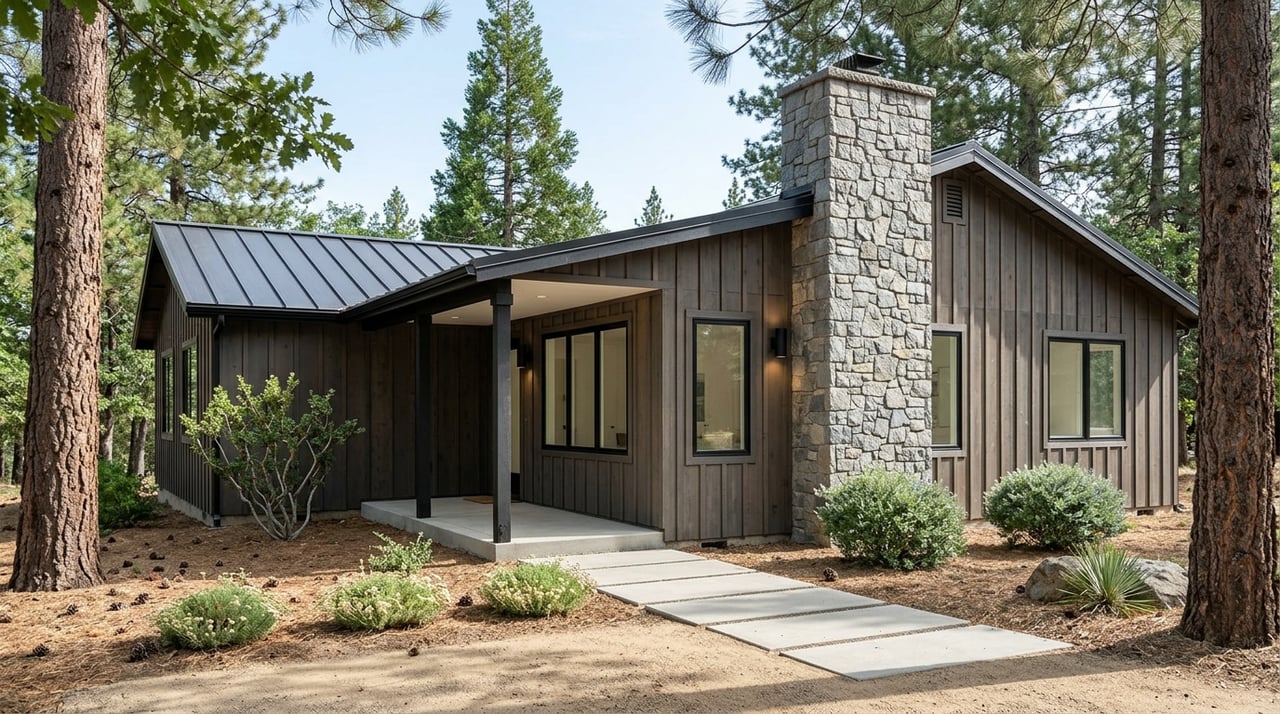
Dreaming about a quieter home base with tall trees, crisp air, and a little more breathing room? Pine Valley offers a version of cabin-style living that feels tucked away from the city, yet still grounded in the practical realities of everyday ownership. If you are curious about what makes this mountain community unique, this guide will help you understand the setting, the housing options, and the key details to research before you buy. Let’s dive in.
Why Pine Valley Feels Like a Retreat
Pine Valley is a small mountain community in San Diego County’s Central Mountain region, sitting on the western face of the Laguna Mountains at about 3,700 feet. According to the County of San Diego Pine Valley Community Plan, the area is surrounded by the Cleveland National Forest, which helps define its wooded, retreat-like character.
That setting is a big part of the appeal. The county describes Pine Valley as a place shaped by clean mountain air, serene views, quiet solitude, and dark skies. If you are looking for a home that feels connected to the landscape, Pine Valley stands out because the environment is part of daily life, not just a backdrop.
The community is also relatively small. Census Reporter data show Pine Valley has 1,786 residents across 7.2 square miles and 710 households, which points to a low-density housing pattern rather than a typical suburban layout. In practical terms, that often means buyers are choosing Pine Valley for lifestyle fit as much as square footage.
What Cabin-Style Living Means Here
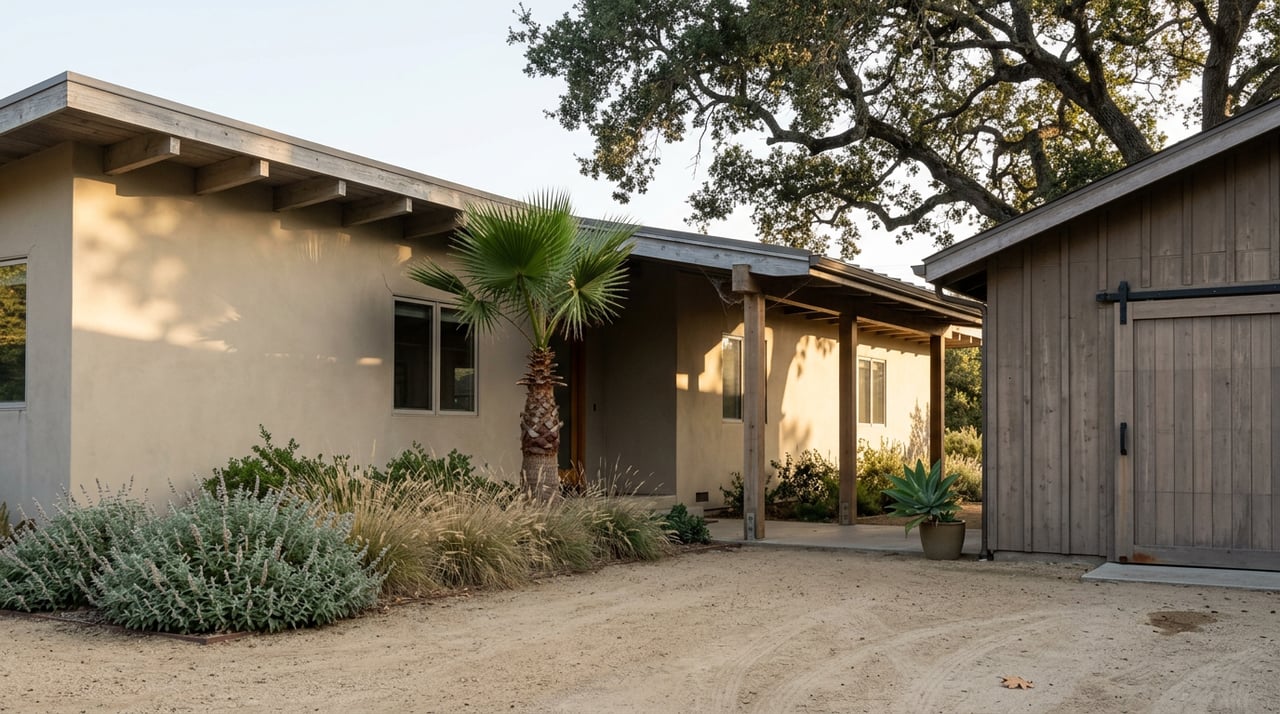
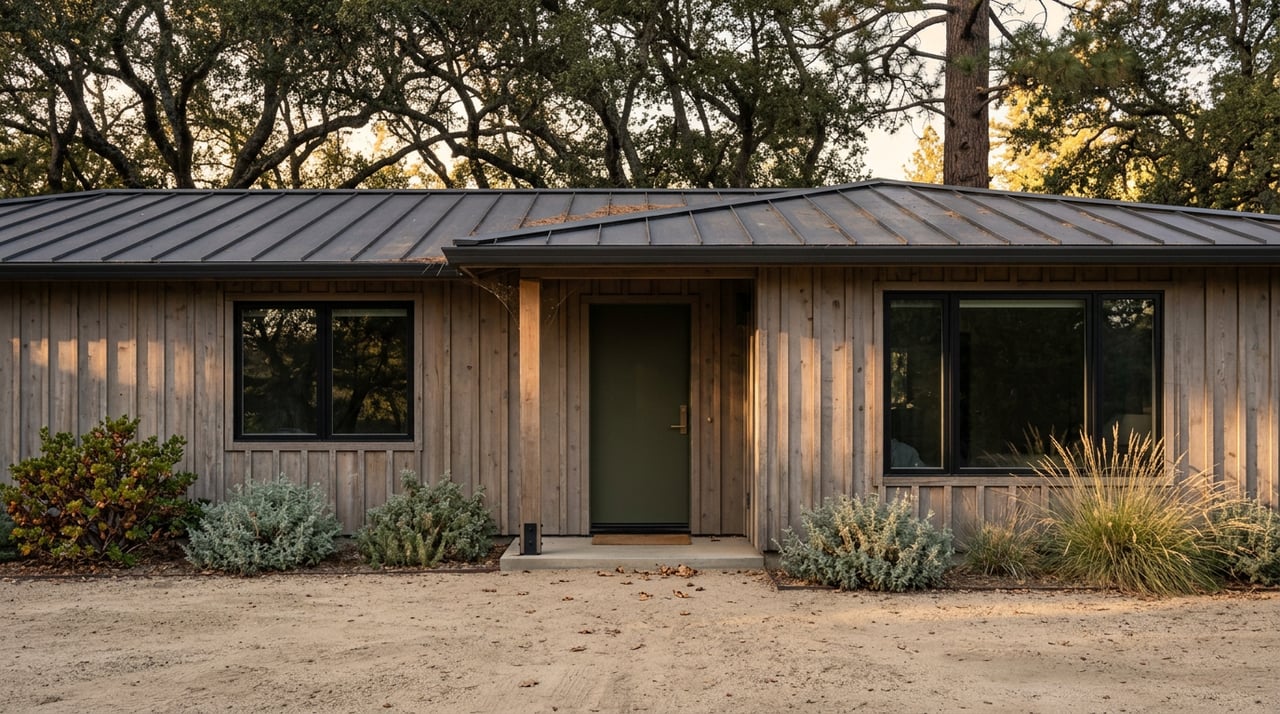
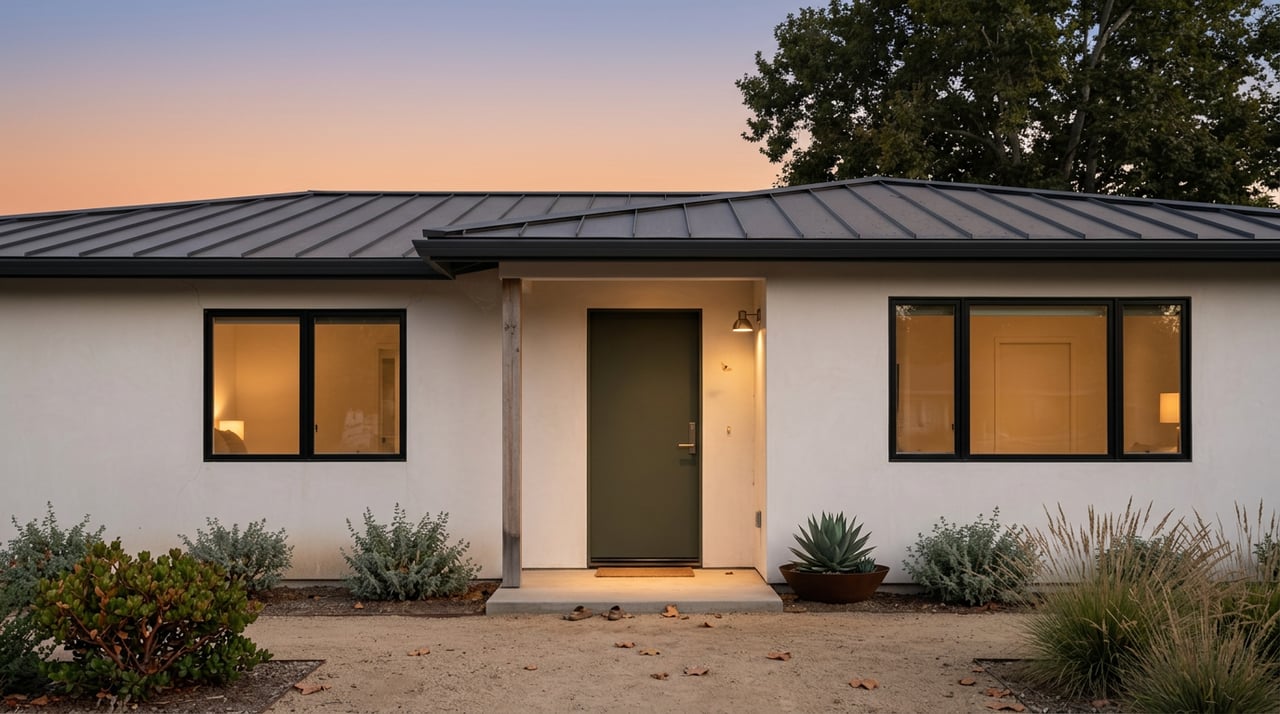
In Pine Valley, cabin-style living is not just one specific home design. It is more about the overall experience of wooded lots, modest-scale homes, and buildings that blend into the natural setting.
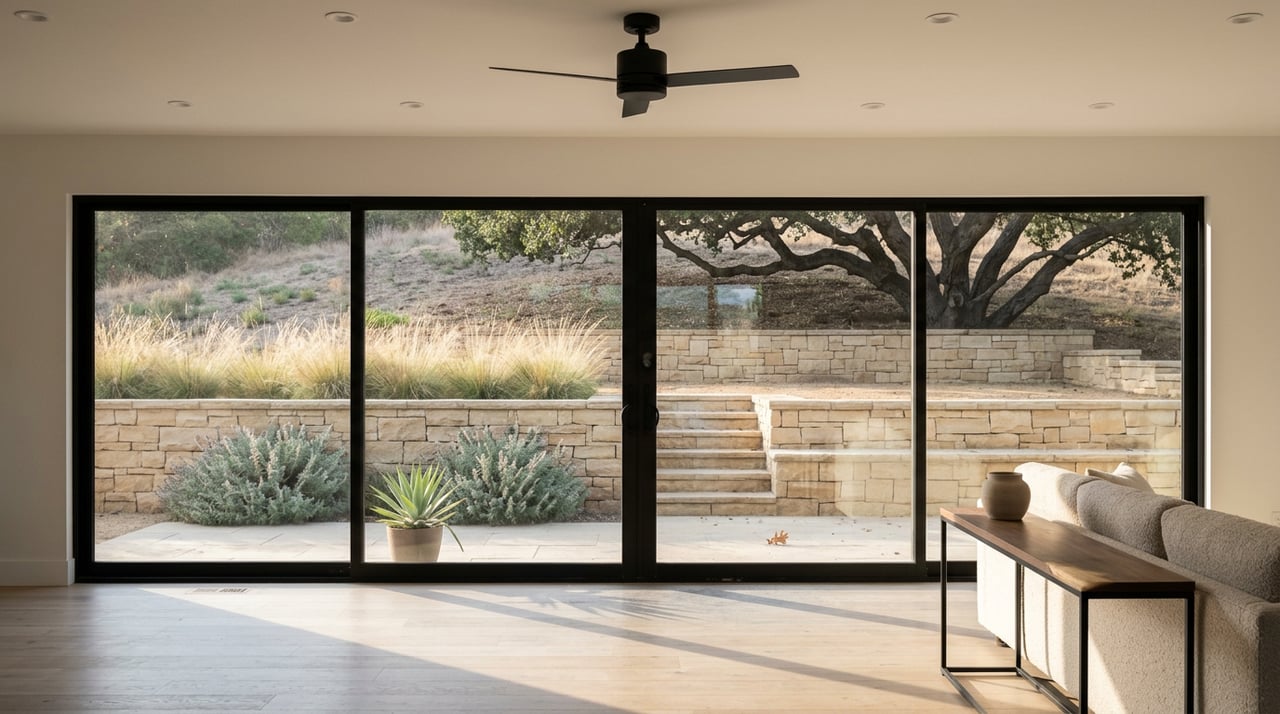
The county plan notes that many homes are tucked among trees on wooded lots, with stone, wood, and earth-toned materials used to fit the landscape. Land-use guidance also favors rustic single-family development, larger setbacks, varied building forms, and site design that follows the terrain and existing vegetation. That gives the area a more organic, less uniform feel than many planned neighborhoods.
Seasonal Cabins vs. Year-Round Homes
One of the most important things to understand is that not every cabin-like property in Pine Valley works the same way. The county plan describes about 173 seasonal recreational residences spread across four National Forest cabin tracts.
Most of those cabins are located along graded roads on hillsides west of the highway, and many date back to the 1930s through the 1950s. The Forest Service froze new residences and further development in those tracts, and these cabins are intended for seasonal use rather than year-round occupancy.
That is very different from privately owned housing intended for full-time living. The county also describes a smaller supply of permanent residences, including a group of quarter-acre to third-acre parcels developed in the 1960s, an adjacent eight-acre parcel with clustered cabins, and the less dense Morris Ranch tract.
If you are shopping in Pine Valley, one of your first questions should be simple: Is this a seasonal Forest Service cabin or a privately owned year-round home? That answer shapes how you think about occupancy, ownership structure, and long-term use.
What Daily Life Can Look Like
Pine Valley appeals to buyers who want a slower, more outdoors-oriented pace. The county highlights nearby recreation connected to the Cleveland National Forest, Cuyamaca Rancho State Park, Sunrise Highway, and local opportunities for hiking, biking, and horseback riding.
The road network also adds to the area’s character. County planning materials describe scenic roads used by weekend visitors, cyclists, mountain bikers, and motorcyclists. If you love easy access to open space and scenic drives, that retreat feeling can be a major reason Pine Valley stands out.
At the same time, this is not a conventional suburban environment. Census Reporter shows a mean travel time to work of 41.6 minutes, which reflects the reality that many residents rely on a car and commute beyond the immediate area.
Key Tradeoffs to Think Through
Cabin-style living in Pine Valley can be appealing, but it also comes with practical considerations that deserve close attention. This is where careful research matters most.
Water and Septic Matter
The county plan states that homes and businesses in Pine Valley depend on individual septic systems. It also notes that the Pine Valley Mutual Water Company serves most of the community through 10 wells, supplying an estimated 1,500 permanent residents and up to 2,500 seasonal users.
For buyers, that makes utility due diligence especially important. You will want to understand the property’s water provider, septic setup, and any maintenance or capacity questions before moving forward.
Fire Research Is Essential
County Fire lists Pine Valley among the communities it serves, which makes fire-related research an important part of the buying process. You can review service area information through San Diego County Fire.
For any specific property, it is smart to verify fire-zone details, review defensible-space requirements, and follow up on insurance questions early. In a mountain setting, those steps are not just paperwork. They can affect both ownership costs and day-to-day preparedness.
Lot Placement Can Shape Usability
The county plan describes Pine Valley Creek as seasonal and places the central meadow in a broader watershed and open-space context. That means drainage, floodplain position, and the way a home sits on its lot can matter as much as the house itself.
Two homes with a similar cabin feel may offer very different ownership experiences depending on slope, access, tree cover, and how the site handles runoff. In Pine Valley, the land is a major part of the property story.
What to Look For in a Pine Valley Property
If you are comparing homes in Pine Valley, a simple checklist can help you stay focused on what matters most.
Questions Worth Asking
- Is the property a seasonal Forest Service cabin, a leasehold, or a privately owned year-round home?
- What is the lot size, and how much tree cover surrounds the home?
- Does the home’s design fit the rustic, landscape-first setting described in the county plan?
- What water provider serves the parcel?
- What type of septic system is in place, and what is known about its condition?
- How do road access, weather, and seasonal conditions affect everyday use?
- What fire-related requirements or insurance questions should you review?
- How close is the home to open space, scenic roads, and recreation areas that shape the retreat feel?
These questions can help you move beyond surface-level charm. A cabin-style home may look inviting online, but the real value often comes from understanding how the property functions over time.
Why Pine Valley Attracts a Specific Buyer
Pine Valley is not trying to be everything to everyone. The housing pattern, small population, and mountain setting make it better suited for buyers who want a distinct lifestyle rather than a standard neighborhood formula.
For some buyers, that means prioritizing privacy, scenery, and a home that blends into its surroundings. For others, it means finding a full-time residence that feels like a retreat without losing sight of the practical details that come with rural mountain living.
That balance is what makes Pine Valley interesting. You are not just evaluating bedrooms, bathrooms, and finishes. You are also deciding whether the area’s pace, property types, and land-related considerations truly match how you want to live.
Buying in Pine Valley With Clarity
When you are exploring cabin-style living in Pine Valley, clear guidance can make a big difference. A market this specialized calls for careful attention to property type, land use, utilities, and the day-to-day realities that come with mountain ownership.
If you are thinking about buying or selling in San Diego County and want practical, local guidance, connect with Steven Sladek. You will get straightforward advice, responsive support, and a better understanding of how to evaluate unique homes and communities with confidence.
FAQs
What does cabin-style living in Pine Valley usually mean?
- In Pine Valley, cabin-style living usually refers to homes on wooded lots with rustic materials, modest scale, and designs that blend into the natural mountain setting rather than one single architectural style.
Are all Pine Valley cabins meant for full-time living?
- No. The county plan describes seasonal recreational residences in National Forest cabin tracts that are intended for seasonal use, while other privately owned homes are designed for year-round occupancy.
What should buyers verify before purchasing a Pine Valley home?
- Buyers should confirm the ownership type, occupancy status, water source, septic system details, fire-related requirements, insurance considerations, and how the lot’s terrain and drainage may affect use.
Is Pine Valley a large suburban housing market?
- No. Census-based data show Pine Valley is a small, low-density community with 1,786 residents and 710 households, which gives it a more specialized and lifestyle-driven housing market.
Why does the lot matter so much for Pine Valley properties?
- In Pine Valley, factors like slope, tree cover, drainage, creek proximity, access, and how the home sits on the land can strongly affect usability, maintenance, and long-term ownership experience.