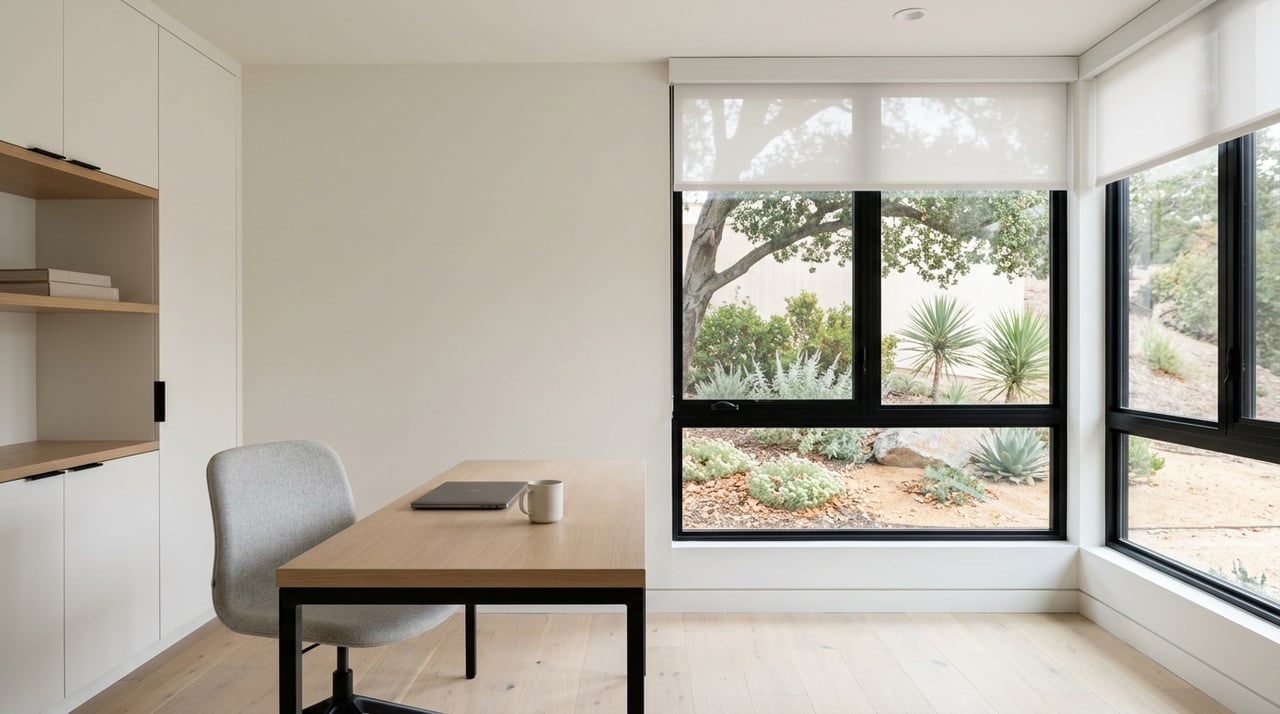
If your workday no longer has to start with a freeway commute, Alpine might be the kind of place that suddenly makes a lot more sense. You may be looking for more space, quieter surroundings, and a home that feels a little more removed from the pace of central San Diego. This guide will help you weigh the real pros and tradeoffs of living in Alpine as a remote or hybrid worker, from internet access and commute patterns to homeownership realities in a scenic foothill setting. Let’s dive in.
Why Alpine Appeals to Remote Workers
Alpine offers a different lifestyle than many denser parts of San Diego County. It is an unincorporated East County community about 25 miles east of downtown San Diego, with a foothill and mountain setting shaped by Interstate 8 and elevations ranging from about 1,500 feet to more than 4,100 feet, according to San Diego County planning materials.
That setting is a big part of the appeal. County documents describe Alpine as rural in character and note that the Cleveland National Forest occupies much of the eastern and northern portions of the planning area. If you want mountain views, more breathing room, and some separation from dense neighborhoods, Alpine checks a lot of boxes.
For many buyers, remote work changes the home search entirely. When you do not need to be in an office every day, it becomes easier to prioritize lot size, privacy, and a calmer setting over being close to an urban core.
Alpine’s Housing Fits the Lifestyle
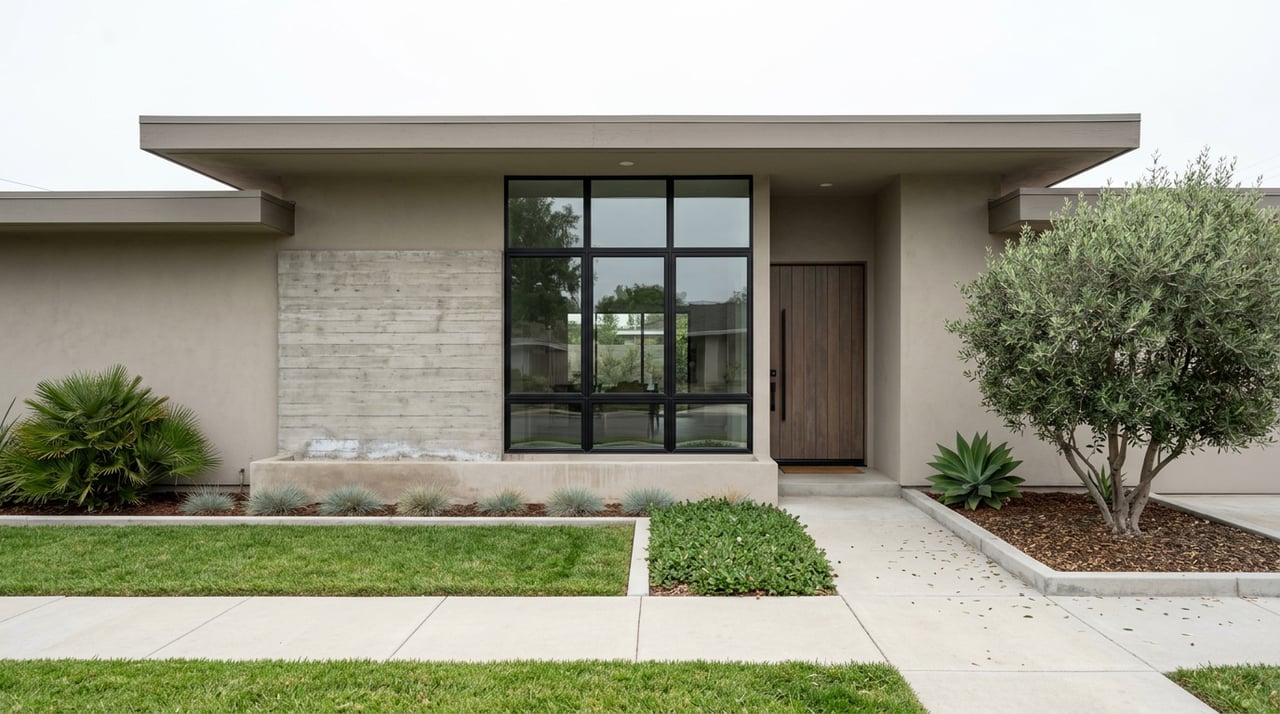
Alpine’s planning framework supports a lower-density feel. County guidance emphasizes retaining rural character, preserving natural features and views, and avoiding monotonous tract-style development, as outlined in the Alpine Community Plan.
In practical terms, that often means homesites and neighborhoods may feel more spacious than what you would find in many central San Diego locations. The planning document also allows low-density rural residential patterns in some outlying areas, including 1 dwelling per 2, 4, 8, or 20 acres, with clustering used to preserve open space.
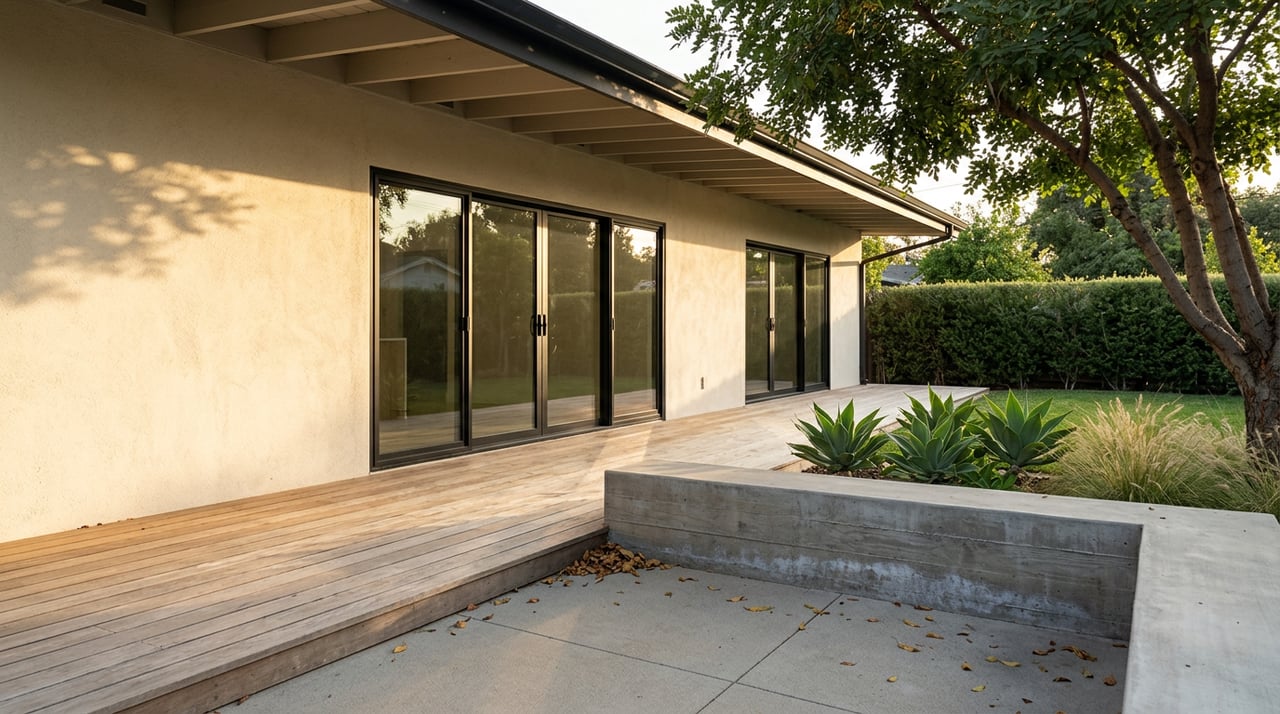
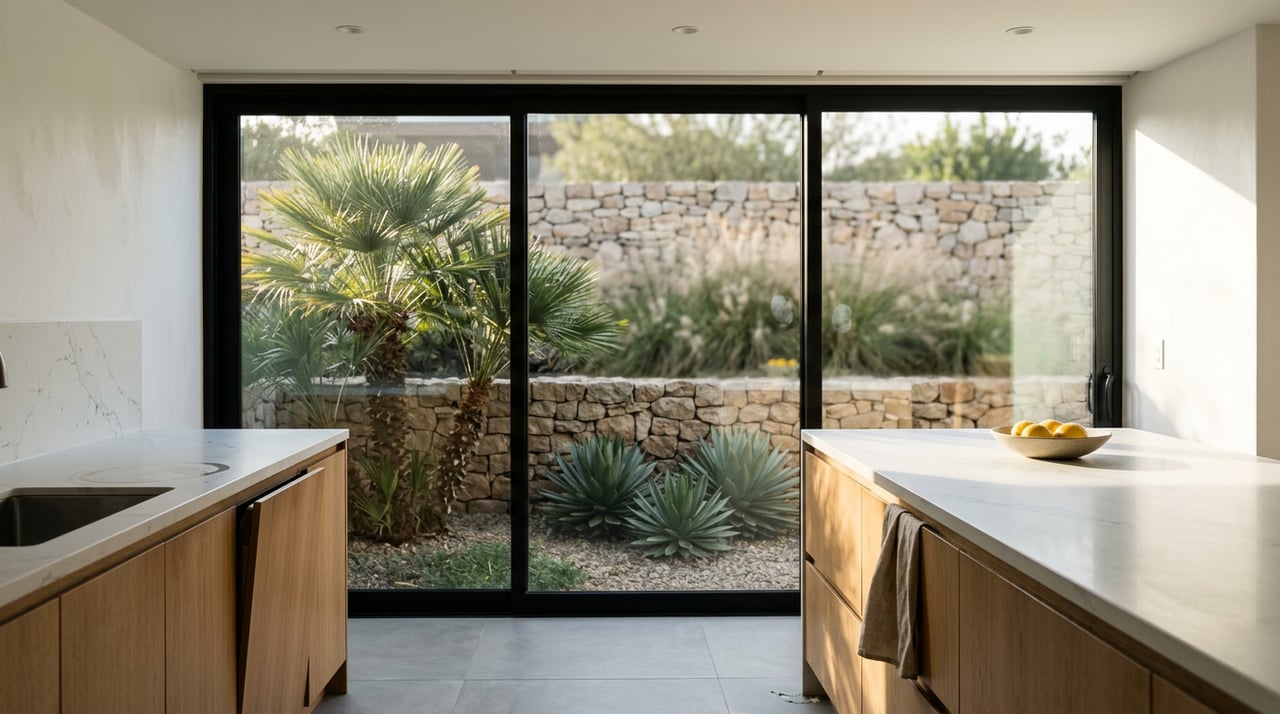
For a remote worker, that can translate into real day-to-day benefits. You may have a better chance of finding space for a dedicated office, a yard, or an outdoor area where you can work, recharge, or take calls without the feel of close-packed city living.
Recent U.S. Census QuickFacts for Alpine CDP also support the idea that Alpine is a settled, ownership-oriented community. The area had 14,696 residents in 2020, 26.79 square miles of land, and 548.6 people per square mile, with 73.9% owner-occupied housing.
Internet and Work-From-Home Practicalities
For remote work, internet access is not a nice-to-have. It is part of the home search. Alpine shows encouraging numbers on that front, with the Census reporting that 99.4% of households have a computer and 95.8% have a broadband subscription in the latest QuickFacts data.
That said, broad community-level data is not the same as address-level certainty. If you are seriously considering a property in Alpine, you should still verify the exact service available at the home. The research report notes that the FCC National Broadband Map can show provider-reported availability, but it does not measure actual performance, affordability, or indoor mobile coverage.
This matters more in a semi-rural setting. Two homes in the same general area can have different service options, so it is smart to treat internet verification as part of your due diligence, just like checking the roof or septic setup if applicable.
Hybrid Work Makes Alpine More Realistic
Remote work is no longer a niche arrangement. The Census Bureau reported that 13.8% of U.S. workers usually worked from home in 2023, up from 5.7% in 2019, according to a Census story on work-from-home trends.
That shift helps explain why places like Alpine are getting more attention. A longer drive can feel much more manageable if you only make it a couple of times a week instead of five days in a row.
Alpine is generally a better fit for remote or hybrid workers than for someone who wants the shortest possible daily commute. The Census reports a mean travel time to work of 30.2 minutes in Alpine, compared with 25.9 minutes in San Diego County in a separate estimate, based on QuickFacts data.
What Daily Life Feels Like in Alpine
One of the biggest questions buyers ask is simple: does Alpine really feel rural? Based on county planning documents, the answer is yes. The community is repeatedly described as rural and low-density, while still connected to San Diego by Interstate 8 and local commercial areas.
That rural character can be a major plus if you want a quieter home base. You may appreciate the views, the larger-lot feel in some areas, and the sense of separation from busier city neighborhoods.
At the same time, Alpine does not offer the same convenience density as more urban communities. County planning materials note that much of the commercial activity is concentrated in the Country Town, Town Center, and along a few main corridors, as described in the community plan.
That means errands may involve more driving than you are used to. If your ideal lifestyle includes frequent walkable dining, shopping, and services just a few blocks away, Alpine may feel less convenient than neighborhoods closer to the urban core.
Cost and Ownership Considerations
If you are comparing Alpine to other East County or greater San Diego options, housing costs are part of the picture. According to the U.S. Census QuickFacts page, the median owner-occupied home value in Alpine is $864,000, median monthly owner costs with a mortgage are $3,117, and median gross rent is $1,973.
Those figures help set expectations, but the bigger takeaway for many buyers is value alignment. In Alpine, you may be paying for space, scenery, and a different daily rhythm rather than the convenience of dense in-town living.
The community also appears relatively stable. Census data show that 87.6% of residents lived in the same house one year earlier, which can appeal to buyers looking for a place with a more rooted feel.
Scenic Living Comes With Responsibilities
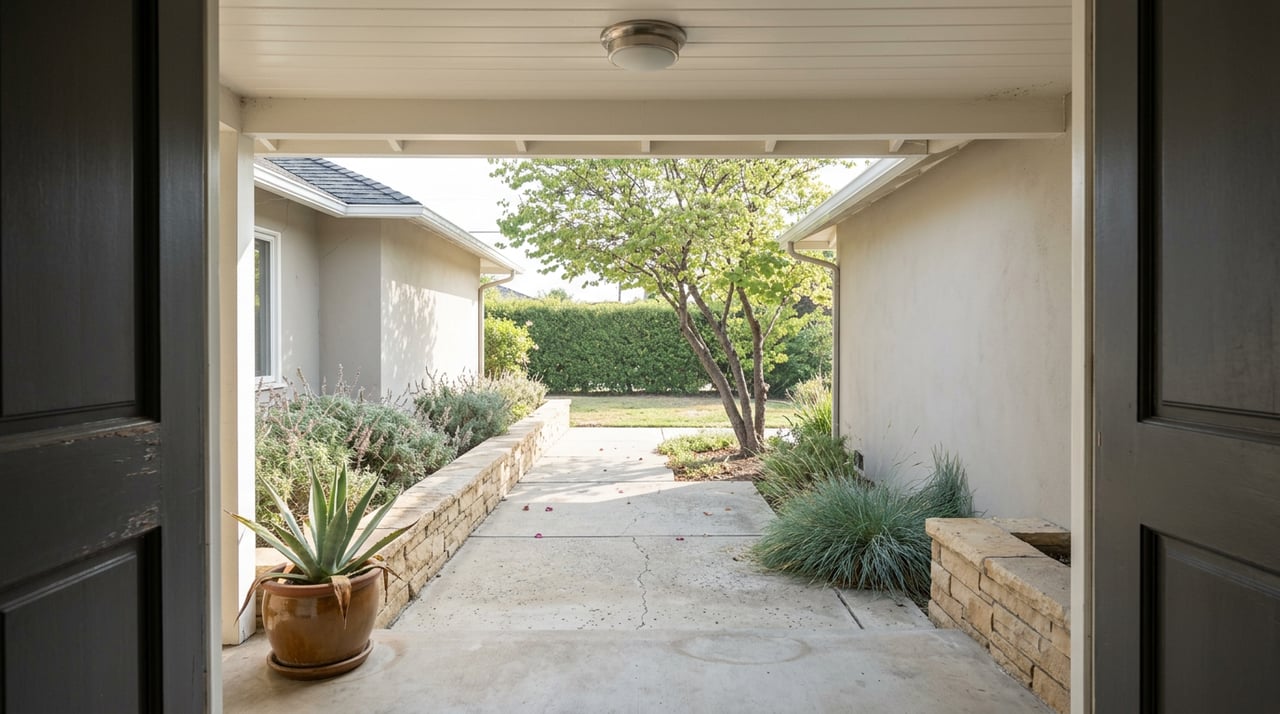
Mountain and foothill living can be beautiful, but it also comes with maintenance and preparedness responsibilities. In unincorporated areas, San Diego County guidance on defensible space says that defensible space should extend 100 feet around structures, with fire-resistant landscaping in the first 50 feet and natural vegetation management in the remaining 50 feet.
For you as a buyer, that means wildfire preparedness should be part of your decision early on. It is not just about the home itself. It is also about brush management, landscaping choices, and understanding the level of ongoing upkeep a property may require.
Planning documents also emphasize preserving topography, native vegetation, and views. That is part of what makes Alpine attractive, but it may also mean some homes come with slope, driveway, or landscape-maintenance considerations that feel different from a more typical suburban tract neighborhood.
Is Alpine Right for You?
Alpine can be an excellent fit if you want a home that supports a quieter, more spacious lifestyle and your work schedule gives you some flexibility. It is especially appealing if you value scenery, privacy, and a rural foothill setting while still wanting access to San Diego by freeway.
It may be less ideal if you need to commute frequently, want highly walkable convenience, or prefer a lower-maintenance ownership experience. The tradeoff is fairly clear: more space and natural surroundings, with more driving and more property-related responsibility.
The key is to match the area to the way you actually live. If your version of home includes a dedicated office, room to spread out, and mountain views outside the window, Alpine is worth a closer look.
If you are weighing Alpine against other East County communities, Steven Sladek can help you compare neighborhoods, evaluate property fit, and navigate the details with clear, local guidance.
FAQs
Is Alpine, San Diego a good place for remote work?
- Alpine can be a strong option for remote or hybrid work if you value space and scenery, and if you verify internet availability at the specific property.
Does Alpine, San Diego feel rural?
- Yes. County planning documents describe Alpine as rural and low-density, with a foothill and mountain setting connected by Interstate 8.
How far is Alpine from downtown San Diego?
- Alpine is about 25 miles east of downtown San Diego, according to San Diego County planning materials.
What is the commute like from Alpine, San Diego?
- Alpine’s mean travel time to work is 30.2 minutes, and commuting is generally freeway-oriented rather than based on a dense urban street grid.
Do homes in Alpine, San Diego usually have broadband?
- Census data show that 95.8% of Alpine households have a broadband subscription, but you should still confirm service details at the exact address.
What should buyers know about owning a home in Alpine, San Diego?
- Buyers should be prepared for semi-rural ownership factors such as defensible space, landscaping upkeep, and possible slope or driveway considerations on some properties.