If you want more breathing room without feeling cut off from the rest of San Diego County, Alpine often gets your attention fast. Daily life here feels different from denser parts of the county, with foothill views, larger lots in many areas, and a rhythm shaped by local errand stops, freeway access, and nearby open space. If you are curious what it actually feels like to live in Alpine’s foothill neighborhoods, this guide will walk you through the basics of home patterns, commuting, recreation, and everyday convenience. Let’s dive in.
Alpine’s Everyday Pace
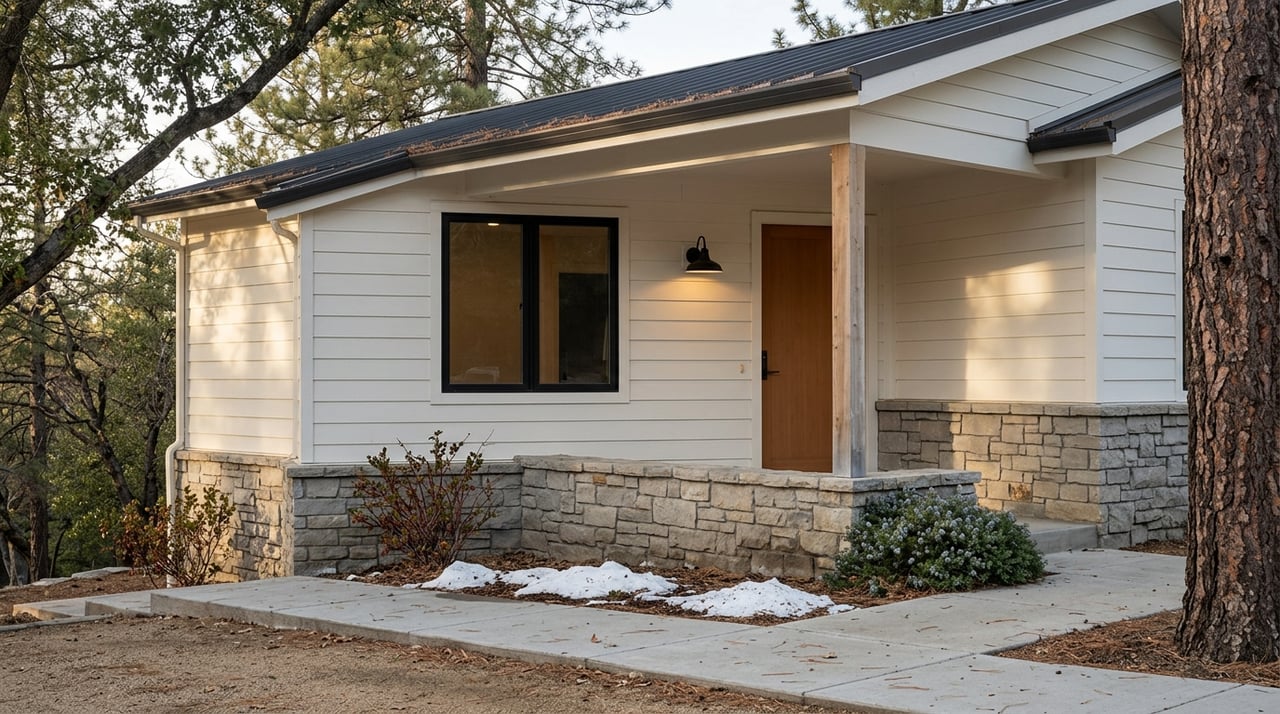
Alpine sits in the foothills of the Cuyamaca Mountains in eastern San Diego County. County planning documents describe it as a rugged 108-square-mile community with Interstate 8 running through it and the eastern edge serving as a gateway to wilderness areas.
That setting shapes the feel of daily life. Alpine is planned to preserve a village atmosphere and rural character, so you are more likely to notice space, open views, and a quieter routine than a dense retail corridor or tightly packed neighborhood grid.
Foothill Setting Shapes Daily Life
One of the biggest lifestyle differences in Alpine is how closely neighborhoods connect to the land around them. You can move from residential streets to open space, parkland, and forest access much faster than you might expect in other parts of the county.
That foothill setting also influences how the community grows. Commercial activity is mostly concentrated along key roads like Alpine Boulevard, Arnold Way, Willows Road, and the Tavern Road to I-8 area, rather than spread across every block.
Home Sites Often Offer More Space
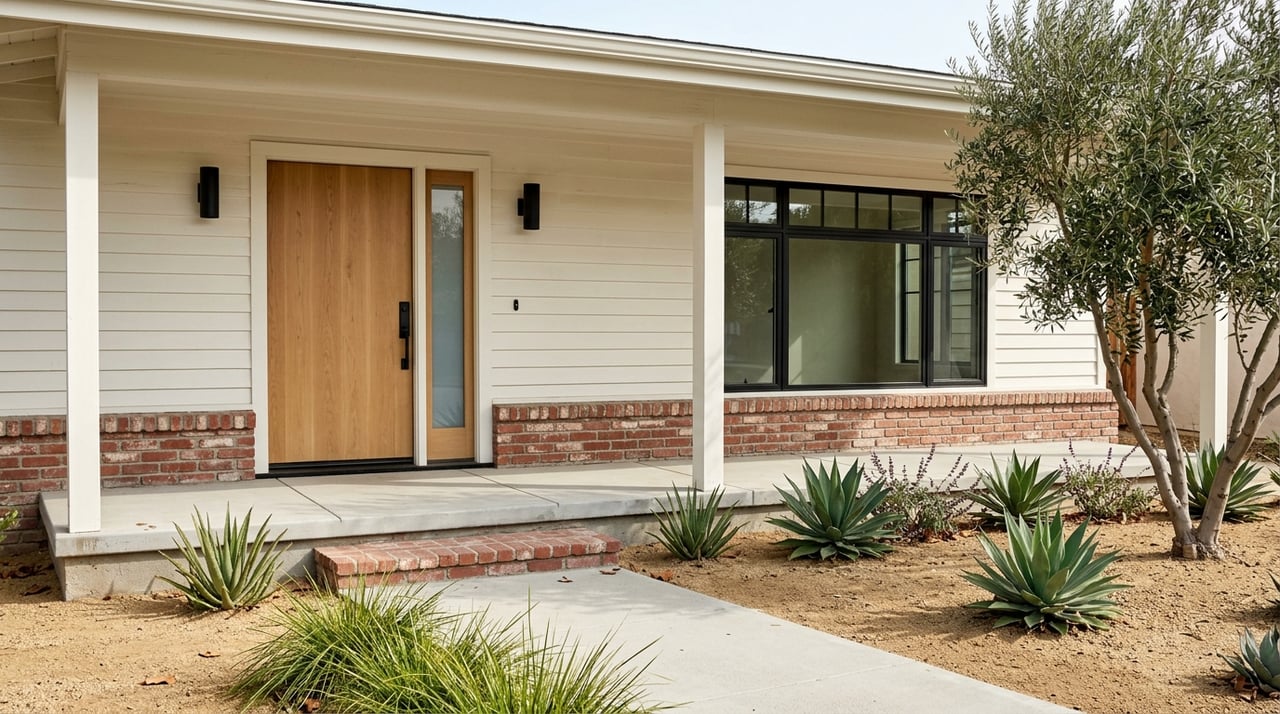
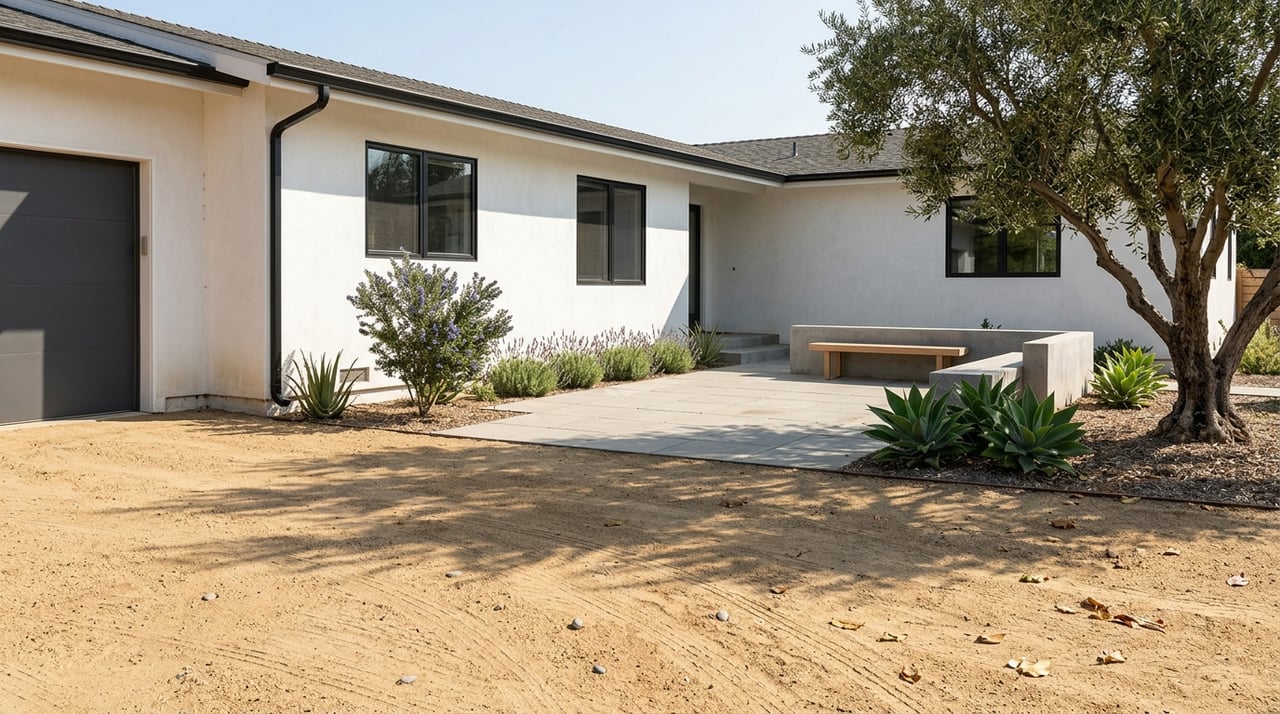
If you are looking at Alpine for more land, the local housing pattern supports that goal. The community plan emphasizes detached, low-density residential living, including homes on smaller village lots, semi-rural parcels with at least a half-acre minimum, and rural lands with a two-acre minimum in some areas.
In practical terms, that means lot sizes can vary quite a bit depending on where you look. Recent listing snapshots have shown homes on sites from under a third of an acre to multiple acres, which helps explain why Alpine often appeals to buyers who want elbow room and a less compact neighborhood feel.
Village Core vs. Rural Edges
Inside the village core, you will generally find more of the services and housing types clustered together. Multi-family housing exists in Alpine, but the community plan keeps it concentrated in the village area rather than spread broadly through the foothills.
As you move outward, the pattern shifts toward lower density and larger parcels. For buyers, that can mean more variety in how much land, privacy, and maintenance responsibility you want to take on.
Getting Around Alpine
For most households, Alpine is a car-first community. Interstate 8 is the main commute spine, and SANDAG identifies it as a major east-west route connecting East County to areas like El Cajon, La Mesa, Mission Valley, I-5, I-805, and I-15.
That freeway access is a major part of everyday convenience here. You can enjoy a more relaxed foothill setting while still keeping a workable connection to jobs, shopping, and appointments in other parts of San Diego County.
Transit Is Available but Limited
Public transit does exist in Alpine, but it is more limited and route-specific than in central urban areas. MTS lists Route 838 and additional rural routes including 888, 891, 892, and 894 serving the broader East County area.
For many residents, that means transit can be useful for certain trips, but it usually does not replace the flexibility of driving. If your weekly routine involves school drop-offs, errands, sports, or appointments across multiple destinations, personal transportation will likely stay central to daily life.
Where Errands Usually Happen
Unlike areas with retail on every corner, Alpine tends to gather daily needs into a few familiar nodes. That can make routines feel simpler once you learn where your go-to stops are.
Alpine Creek Town Center is one of the clearest examples. It includes Barons Market, CVS Pharmacy, Alpine ACE Hardware, restaurants, and service businesses, making it a practical hub for groceries, household items, casual meals, and quick errands.
Key Local Stops
A few everyday destinations help anchor the community:
- Alpine Creek Town Center for groceries, pharmacy needs, hardware, dining, and services
- Viejas Casino & Resort area for dining, fuel, shopping, and entertainment near the Alpine Boulevard and I-8 exit
- San Diego County Library’s Alpine branch for Wi-Fi, public events, community space, and regular daytime use
When you live in Alpine, routines often revolve around these concentrated stops instead of a long list of scattered commercial centers. For many people, that creates a more familiar, small-town pattern to the week.
Recreation Is Part of the Routine
One of Alpine’s biggest lifestyle advantages is how easy it is to spend time outdoors. If your ideal weekday includes an early walk, a weekend trail outing, or simply living near open space, Alpine offers strong access to all three.
The Cleveland National Forest plays a big role in that. The forest offers camping, picnic areas, hiking, horseback riding, trail running, mountain biking, and scenic drives, and the Descanso Ranger District office is right on Alpine Boulevard.
Quick Access to Trails and Open Space
Nearby access points like Pine Creek Trailhead reinforce how close public land is to the community. For residents, this is not just a weekend destination. It becomes part of everyday life, especially if outdoor time is one of the reasons you are considering a move.
Alpine Community Park adds another layer of usable local space. The county describes it as a 98-acre site, with 26 acres devoted to active recreation and 72 acres preserved as open space between the park and Wright’s Field.
That mix matters because it gives you both structured park amenities and a visual sense of openness. County materials also note that the park was designed to meet community needs while protecting habitat and helping reduce wildfire risk.
Community Life Feels Relationship-Driven
Alpine’s local rhythm is not only about land and scenery. It also comes from a civic calendar and business environment that feel personal and familiar.
The Alpine Chamber of Commerce promotes events such as Taste of Alpine, ribbon cuttings, and networking gatherings. For residents, events like these can make the community feel active without feeling overbuilt or overly busy.
What That Means for Buyers
If you are moving from a more urban part of the county, Alpine may feel more relationship-driven in day-to-day life. You may find yourself returning to the same businesses, recognizing familiar faces, and building routines around a handful of local anchors.
That does not mean everything is minutes away on foot. It means the community often trades density for space, convenience by corridor, and a more relaxed pace.
What Buyers Should Consider
Alpine can be a strong fit if you want a detached home, more outdoor space, and quick access to parks and public land. It may also appeal to you if freeway access matters and you are comfortable with a driving-based routine.
At the same time, your day-to-day experience will depend a lot on where in Alpine you land. Some homes sit closer to village services and major routes, while others lean more rural with larger parcels and a quieter feel.
Here are a few practical questions to think through as you compare homes:
- How much land do you want to maintain?
- How important is quick access to I-8?
- Do you prefer being near the village core or farther out?
- How often will you use parks, trails, or forest access?
- Would limited transit affect your routine?
Why Alpine Stands Out in East County
What makes Alpine distinct is not just one feature. It is the combination of foothill scenery, low-density housing patterns, concentrated commercial hubs, and direct access to recreation.
For many buyers, that combination offers a middle ground that is hard to find. You can have a more spacious, quieter home environment while staying connected to the larger county through I-8 and a handful of reliable local service areas.
If you are weighing a move to Alpine or preparing to sell a home there, neighborhood context matters just as much as square footage. The right guidance can help you understand how lot size, location, access, and lifestyle all work together in this market. When you are ready to talk through your next move in East County, connect with Steven Sladek for local insight and a clear plan.
FAQs
What is everyday life like in Alpine, California?
- Everyday life in Alpine is shaped by a quieter foothill setting, car-based routines, a few concentrated shopping and dining areas, and close access to parks and open space.
Are Alpine neighborhoods mostly rural or suburban?
- Alpine includes both village-style areas and more rural residential sections, with housing patterns that range from smaller lots in the core to half-acre, two-acre, and larger parcels in outlying areas.
Is Alpine, California convenient for commuters?
- Alpine can be convenient for commuters who rely on Interstate 8, which connects the community to El Cajon, La Mesa, Mission Valley, and major regional freeways.
What kinds of errands can you do in Alpine?
- In Alpine, many daily errands happen in a few local hubs such as Alpine Creek Town Center, along with other key stops near Alpine Boulevard, Willows Road, and the I-8 interchange.
Does Alpine offer easy access to outdoor recreation?
- Yes, Alpine offers strong access to outdoor recreation through Alpine Community Park, nearby open space, and the Cleveland National Forest, which includes trails, camping areas, scenic drives, and more.
Are larger lots common in Alpine neighborhoods?
- Larger lots are a noticeable part of Alpine’s housing mix, although sizes vary by location, with current examples ranging from under a third of an acre to multiple-acre properties.