Thinking about more bedrooms, a bigger yard, or a dedicated office and play space? If you’re already a homeowner in East County, moving up in Rancho San Diego can feel exciting and a little overwhelming. You want to sell well, buy smart, and keep your family’s routine on track. This guide gives you a clear plan for timelines, financing, offer strategies, HOAs, inspections, and lifestyle trade-offs so you can move with confidence. Let’s dive in.
Why move up in Rancho San Diego
Rancho San Diego offers the space many growing families want, with predominantly single-family neighborhoods and larger lots than many coastal areas. You’ll find quieter streets, more yard options, and room for extras like a home office, workshop, or pool. The trade-off is a longer commute to some job centers and greater reliance on car travel.
Market conditions shift, so competitiveness varies by season and price point. In some pockets, contingent offers can work. In others, you may need a stronger financing plan. The key is to match your strategy to current supply and demand.
What homes you can expect
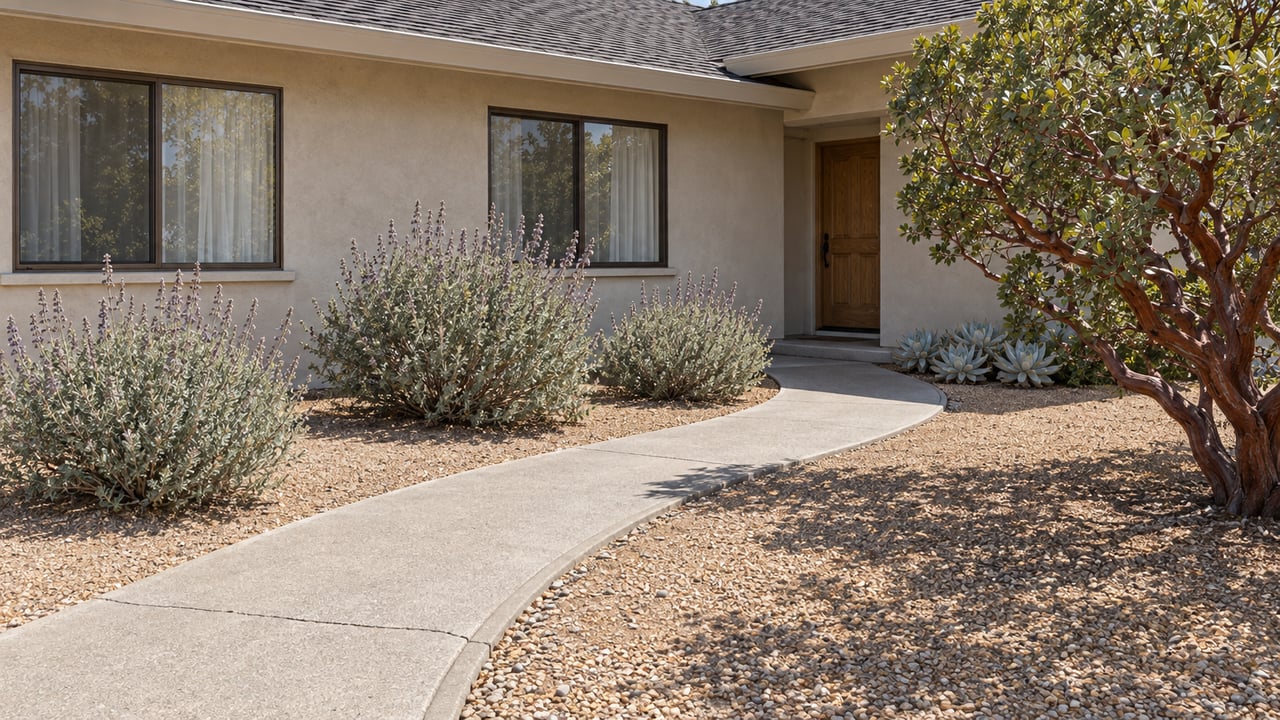
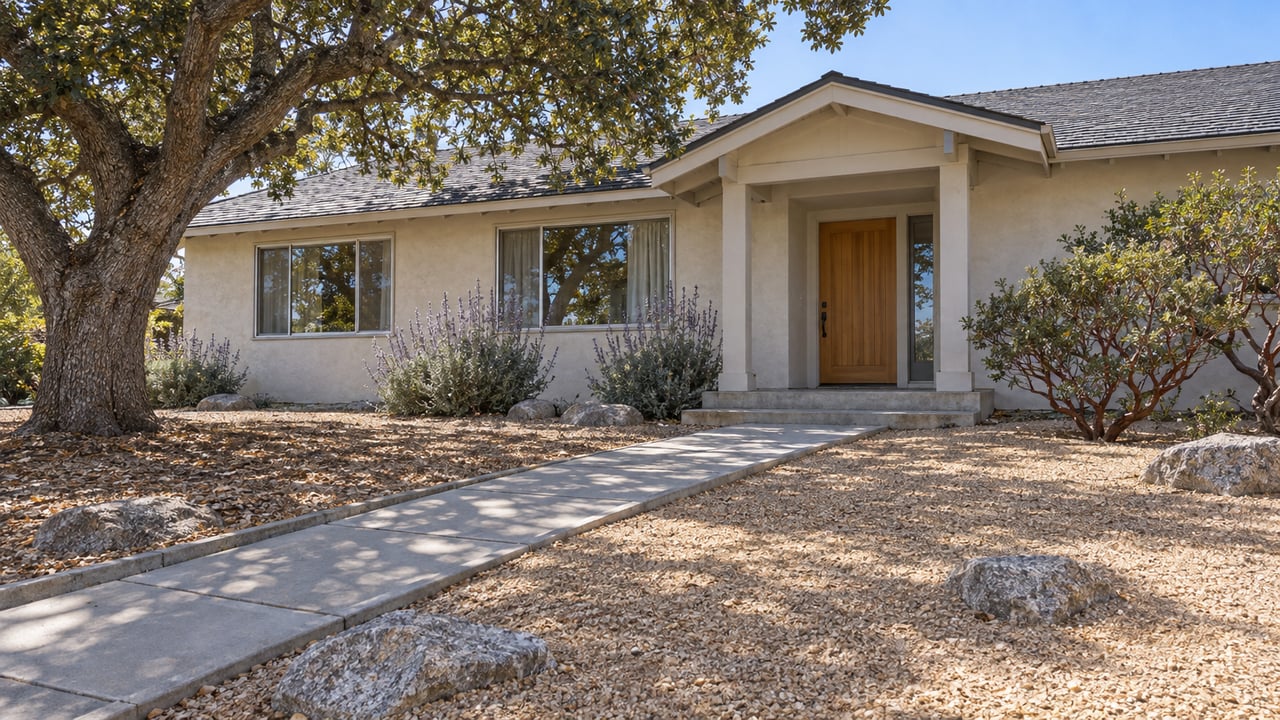
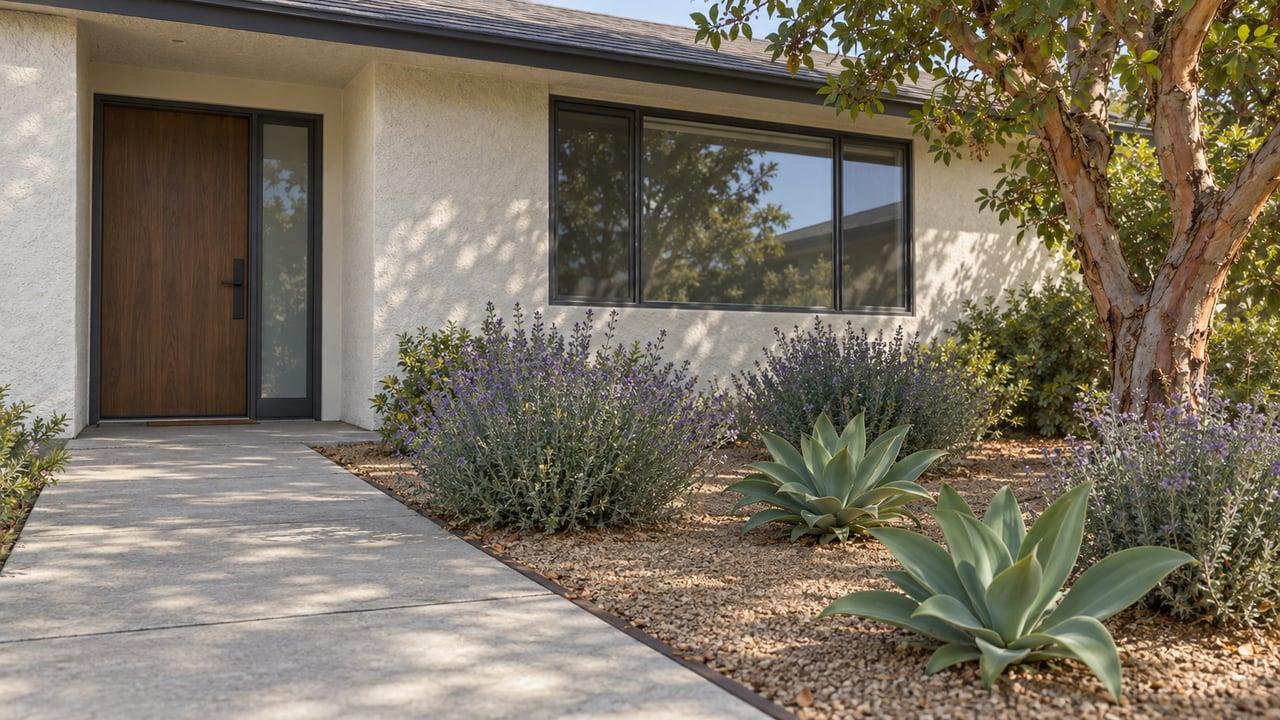
You’ll see a mix of ranch-style, Mediterranean, and Spanish-influenced homes, plus mid-century tracts and newer planned communities. Townhomes and condos exist but are less common than detached homes. Many lots are large enough for play areas, gardens, or a future ADU, subject to zoning and permits.
Most move-up buyers target 3 to 5 or more bedrooms, larger kitchens, defined living areas, and an extra garage or workspace. Some gated or planned communities include HOA amenities, which can be attractive if you want shared pools, parks, or community features.
When thinking about price, use current comps rather than fixed figures. A practical way to frame expectations is that many single-family homes sit in mid-six-figure to seven-figure territory, with attached homes often below detached prices. For accurate numbers, pull recent closed sales, price-per-square-foot trends, and inventory counts before you write your first offer.
How to fund the move-up
You have three common paths. The right one depends on your equity, risk tolerance, and market conditions.
Sell first, then buy
This reduces purchase contingency issues because you will be a non-contingent buyer. You’ll likely need temporary housing or a rent-back from your buyer. The upside is stronger negotiating power on your purchase and cleaner financing.
Buy first with a bridge loan or HELOC
Bridge loans and HELOCs let you access equity for a down payment before selling. They carry higher rates or added debt, so your lender will review your debt-to-income and cash reserves. This option can prevent you from losing a target home, but you must be comfortable with short-term carrying costs.
Make a contingent offer
Contingent offers are common but weaker in seller-leaning markets. If you go this route, make it compelling. Provide proof your home is listed and attracting showings, set clear contingency removal dates, consider a larger earnest deposit, and offer rent-back flexibility. A kick-out clause may also help the seller feel protected.
Timing and escrow in East County
A typical escrow in San Diego runs about 30 to 45 days from acceptance to close. If your purchase depends on your sale, plan for 60 to 90 or more days end-to-end. Align your inspection, appraisal, and financing milestones so everyone understands the timeline.
If you sell first, consider a rent-back to bridge the gap to your purchase. If you buy first, prepare a clear plan to bring your current home to market fast, with pricing, staging, and marketing ready to launch.
Commute, schools, and daily life
Rancho San Diego is served by SR-94 and SR-125, with access to I-8. Commute time depends on where you work and when you drive. Transit options exist through regional bus service, though light rail access is more limited than central San Diego. It helps to test drive your route during peak hours.
School boundaries often influence home selection and value. Verify the exact boundary maps for any home you consider. For families, proximity to parks, community centers, and extracurricular activities also matters. Keep a checklist of your family’s top daily needs and use that to compare neighborhoods.
HOAs, permits, and inspections to prioritize
Some Rancho San Diego neighborhoods have HOAs, while others do not. If your target home is in an HOA, request governing documents, recent meeting minutes, reserve studies, CC&Rs, rental guidelines, pet rules, and any notice of special assessments. Build time into escrow to review them.
Plan a thorough inspection scope for larger homes. Focus on:
- Foundation and structure, especially on hillside lots or older tracts.
- Roof age and condition.
- Plumbing type and any transitions between copper, galvanized, or PEX.
- Sewer lateral condition and any local compliance requirements.
- Electrical panel capacity for ADUs or EV chargers.
- HVAC age and service history.
- Pest/termite inspections.
- Pool and spa equipment and safety.
Verify permit history for additions, conversions, or ADU potential. Rancho San Diego is largely unincorporated, so most permits run through San Diego County Planning & Development Services. If a property falls within nearby city limits, check the relevant city planning department. Confirm zoning, setbacks, and parking rules before you budget for a remodel or an ADU.
Risk and insurance to factor in
Wildfire risk, flood zones, and earthquakes are real considerations in Southern California. Review local fire risk maps and learn about defensible space requirements. Check FEMA flood maps for floodplain status. Standard homeowners policies in California do not include earthquake coverage, so decide if you want a separate policy.
A practical 90-day game plan
Use this checklist to organize your move-up:
- 60–90 days out
- Get a current market valuation of your home.
- Meet with a lender to prequalify and explore bridge loan or HELOC options.
- Set your move-up budget based on net sale proceeds and reserves.
- 30–60 days out
- Prepare your home for market with a clear pricing and staging plan.
- Decide on your purchase strategy: sell-first, buy-first, or contingent.
- Gather documents for a clean offer package (pre-approval, proof of funds, proposed contingency dates).
- When making offers
- Align inspection, appraisal, and financing timelines with your sale.
- If contingent, share listing activity and deadlines to build seller confidence.
- Consider rent-back terms to create a smoother transition.
- During escrow
- Schedule inspections early and review all HOA documents.
- Confirm permitting history for any additions or conversions.
- Coordinate movers, utilities, and insurance.
- Closing window
- Sync closing dates to avoid gaps.
- Finalize any rent-back or short-term housing if needed.
Smart negotiation tips when selling first
Price your current home to move within your ideal window. Strong pricing reduces days on market and protects your purchase timeline. Document improvements to justify your list price and support buyer confidence.
Ask for a rent-back in your initial counter if you know you will need it. Keep your purchase offer terms simple and predictable. Sellers respond well to clean timelines and proof that your sale is solid.
Common pitfalls to avoid
- Counting on unpermitted square footage without verifying feasibility.
- Ignoring sewer lateral or roof condition until late in escrow.
- Overlooking HOA financial health or pending special assessments.
- Underestimating utility and maintenance costs on larger homes.
- Misaligning closing dates and scrambling for temporary housing.
Your next step
You do not need to guess your way through a sell-and-buy move. With the right plan, you can protect your equity, secure the space you want, and keep your timeline steady. If you want a clear path from valuation to closing, reach out to Steven Sladek for a local market snapshot, a pricing and marketing plan for your sale, and buyer representation that fits East County realities.
FAQs
How competitive are contingent offers in Rancho San Diego?
- It depends on current supply and demand. In balanced markets a well-structured contingency can work, but in seller-favored segments you may need stronger terms or alternative financing.
What is the typical escrow timeline for East County homes?
- Many escrows close in about 30 to 45 days. If your purchase depends on your sale, expect 60 to 90 or more days from list to move-in.
Should I sell my current home before I buy the next one?
- Selling first can strengthen your purchase position and simplify financing, but you’ll need a rent-back or short-term housing. It often reduces risk in competitive price points.
Is a bridge loan or HELOC a good idea for upsizing?
- It can be if you qualify and can carry short-term costs. These options reduce reliance on a sale contingency but come with higher rates or added debt.
What HOA documents should I review before buying?
- Review CC&Rs, financial statements, reserve studies, meeting minutes, rental rules, pet policies, insurance coverage, and any pending special assessments.
Which inspections matter most for larger East County homes?
- Prioritize roof, foundation, plumbing, electrical capacity, sewer lateral, HVAC, pest/termite, and pool or spa equipment if present.
How do permits work for homes in Rancho San Diego?
- Most permitting runs through San Diego County Planning & Development Services. If a property sits inside a nearby city, check that city’s planning department.
What lifestyle trade-offs should I expect when moving up here?
- You’ll often gain space, yard, and quieter streets, with a possible trade-off of longer commutes and higher utility or maintenance costs.