Thinking about listing your Julian home and want to avoid last‑minute septic, well, or wildfire surprises? You’re not alone. Rural properties in Julian often spark detailed buyer questions about water quality, wastewater systems, and defensible space. This guide gives you a clear, step‑by‑step pre‑list checklist so you can prepare with confidence, strengthen your disclosures, and move through escrow with fewer hiccups. Let’s dive in.
Why Julian prep matters
Julian is a rural mountain community where many homes use private wells and septic systems. The area also faces elevated wildfire risk, which brings defensible space into focus for buyers and insurers. Because multiple agencies are involved, you’ll want to line up records and complete key tasks before you hit the market.
- County oversight: The San Diego County Department of Environmental Health is the local authority for septic and some water‑related records. Planning & Development Services manages building and land‑use permits and may guide brush management in certain cases.
- State guidance: Cal Fire provides statewide defensible space standards through the Ready for Wildfire program. You can confirm hazard context using the Fire Hazard Severity Zone map tool.
When you organize records, test your water, and complete defensible space work upfront, you help buyers say yes faster and with more confidence.
Septic readiness checklist
A documented, functioning septic system is a top buyer priority in Julian. Here’s how to get ahead of it.
Find system records
Start by locating your septic permits, installation details, and any repair or upgrade records. If you’re missing items, request copies or a status letter from the San Diego County Department of Environmental Health. Add any pumping receipts and maintenance notes to your file.
Order a professional inspection
Schedule a septic inspection with a licensed septic inspector or certified contractor. Ask for a report that covers tank condition, baffles, signs of leakage, drainfield function, and visible connections. If you plan to list during peak showing periods, getting this done 2 to 6 weeks before going live works well.
Pump and address obvious issues
If your tank hasn’t been pumped in the last 3 to 5 years, or if the inspector recommends it, pump before listing. This lowers the risk of backups during heavy showing traffic and inspections. If the inspection shows a problem, consider addressing repairs now or, if timing is tight, apply for permits, collect written bids, and disclose the plan and timeline.
Make access easy
Buyers and inspectors will want to see the tank and learn where the drainfield is located. If possible, provide a simple diagram, photos, and notes on access. Clearly marking lids can save time and avoid yard disturbance during escrow.
Anticipate buyer questions
Have short, factual answers ready for common questions:
- What type of system is it and how old is it?
- Where is the tank and drainfield located?
- When was the last pump and what maintenance has been done?
- Have there been repairs or upgrades? Are permits on file?
- Are there any use limitations, like bedroom count or garbage disposal notes?
Timing and what to expect
- Inspection report: usually days to 1 or 2 weeks.
- Pumping: often scheduled within days to a couple of weeks.
- Repairs: timelines vary. If not completing before listing, gather bids and be ready to disclose.
Private well readiness checklist
Private well buyers want proof of safe, reliable water and a clear picture of the system. Proactive testing and documentation help reduce negotiation friction.
Test your water
Order a certified lab test 30 to 60 days before listing. Include:
- Bacteriological: total coliform and E. coli.
- Nitrate and nitrite.
- General quality: total dissolved solids, pH, iron, manganese.
- Consider local geology concerns such as arsenic or uranium if relevant.
The California State Water Resources Control Board’s well resources and the EPA’s private well basics offer helpful overviews of testing and maintenance.
Inspect the well and pump
Ask a qualified professional to review the wellhead, casing, and sanitary seal. Confirm the pump operates normally, wiring is protected, and there are no obvious surface contamination pathways near the well.
Gather documentation
Assemble your well permit number, well log if available, construction date, depth and casing details, pump make and model, service history, and any repair records. If there is an older, abandoned well on the property, collect any closure documentation.
Disclose special situations
Be upfront about shared well agreements, easements, metering, seasonal performance, or known flow limitations. If you suspect low yield or intermittent supply, order a professional flow or yield test and include the report in your packet.
If results fall short
If tests show bacteria or other contaminants, you can treat, retest, and disclose, or disclose and provide treatment estimates. Common steps include shock chlorination or installing appropriate filtration or treatment systems. Share receipts, manuals, and maintenance schedules for any installed equipment.
What buyers and lenders expect
Some lenders request proof of potable supply or specific water tests. Providing a recent, certified test report and a simple summary of your well system makes underwriting and buyer due diligence smoother.
Defensible space checklist
In high wildfire hazard areas, defensible space is central to safety and insurance readiness. Cal Fire’s Ready for Wildfire guidance outlines best practices.
Know the rules
California emphasizes up to 100 feet of defensible space around structures, or to the property line if closer. Requirements vary by slope and site conditions, and some areas carry additional local rules. Use the Fire Hazard Severity Zone map tool to understand your property’s hazard context and consult local fire officials as needed.
Work the zones
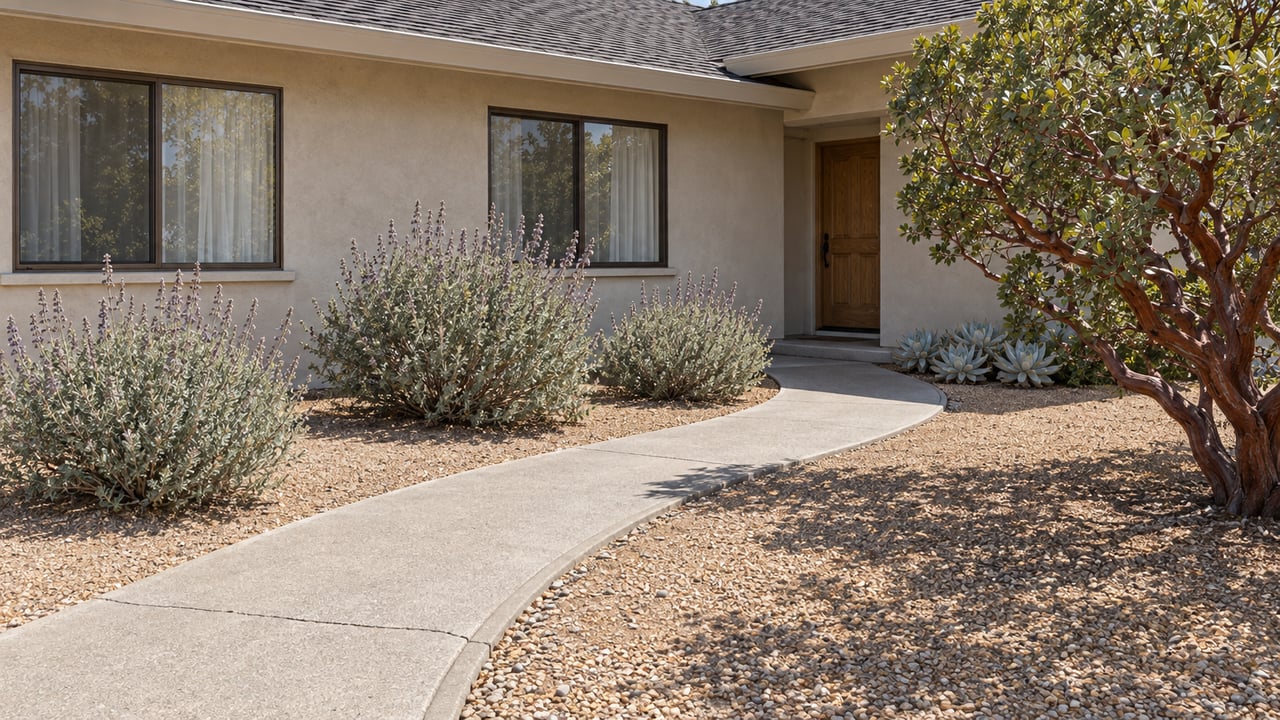
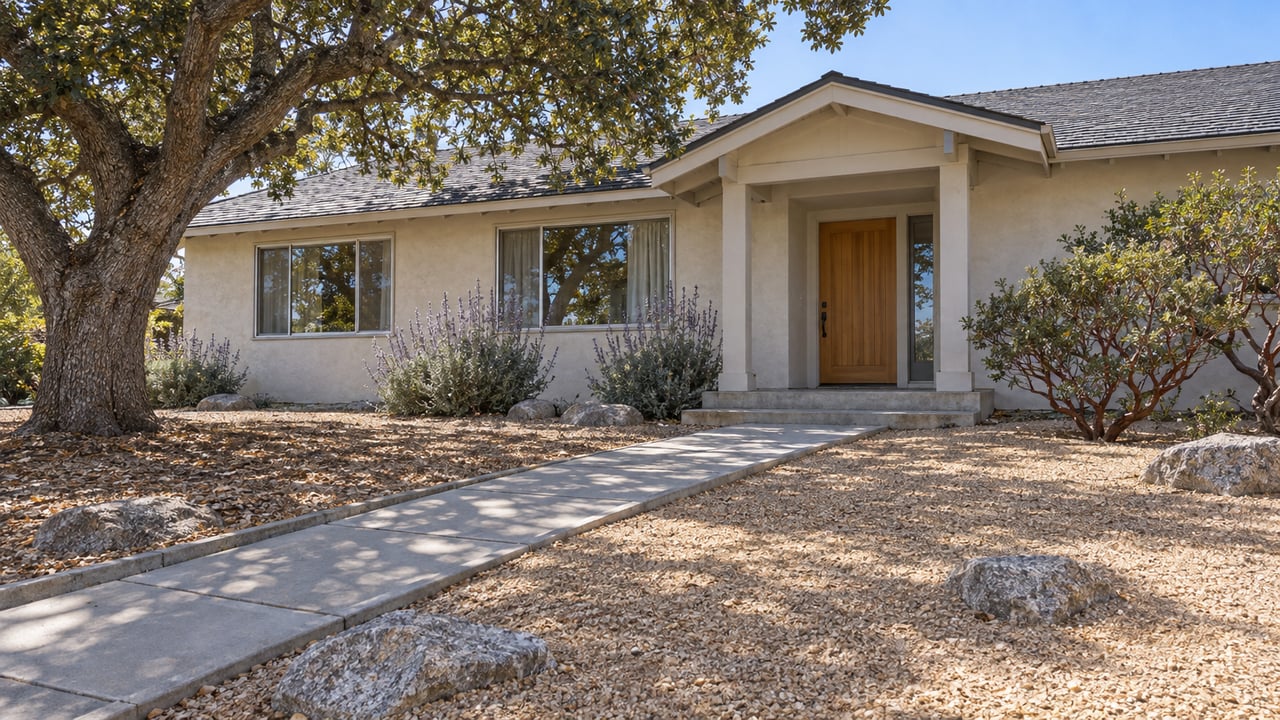
- Immediate zone (0 to 5 feet): Keep it lean, clean, and green. Favor noncombustible materials like gravel, flagstone, or rock mulch. Remove dead vegetation and avoid storing combustibles against structures.
- Near‑home zone (5 to 30 feet): Reduce fuel load by removing dead plants and debris, pruning shrubs, and eliminating ladder fuels. Maintain spacing between plants and trees.
- Extended zone (30 to 100 feet or to the property line): Thin and separate vegetation, remove highly flammable species near structures, and clear accumulated dead material. Adjust spacing based on slope and vegetation type.
Improve access and reduce ignition sources
- Keep driveways clear for emergency vehicles and ensure address markers are visible.
- Move firewood, propane tanks, and spare building materials away from the home’s immediate zone.
- Clean roofs and gutters of leaves and needles.
Document your work
Before and after photos, dates of work, and contractor details help buyers and insurers. If you obtained permits for tree work or fuel modification, include copies in your packet.
Permits and contractors
Large tree removal or significant grading can require approvals. Check with Planning & Development Services and your local fire agency on permit needs. For larger projects, hire licensed vegetation management contractors or certified arborists. Plan 2 to 8 weeks for typical clearance, depending on property size and contractor availability.
Build your disclosure packet
A clean, organized packet reduces questions and speeds decisions. Include:
- Septic/OWTS
- Copies of permits or County records, latest inspection report, last pump date and receipts, repair permits and invoices, and a simple diagram or photos showing tank and drainfield location.
- Private well
- Well permit or well log, recent certified lab results, pump inspection, well maintenance records, and any shared‑well agreements or easements.
- Defensible space
- Before and after photos, written summary of work, dates, copies of any permits obtained, and contractor contact information.
- General
- Natural Hazard Disclosure context, prior insurance claims if applicable, and documentation of any prior fire damage or repairs.
If you plan to complete additional work after listing, add bids, permit applications, and timelines so buyers understand what is coming.
Suggested pre‑list timeline
- 6 to 8 weeks before listing
- Order a septic inspection. Request county septic records if needed.
- Schedule a certified well water test and gather well documentation.
- Review Cal Fire guidance and plan defensible space work.
- 4 to 6 weeks before listing
- Pump the septic tank if due or recommended.
- Begin defensible space clearance and take progress photos.
- Line up any well or septic repairs and collect bids or permits.
- 2 to 4 weeks before listing
- Assemble your disclosure packet with inspection reports, lab results, permits, and photos.
- Confirm access to the tank, wellhead, and property features for showings.
- At listing
- Make the packet available to buyer agents. Highlight key completions like recent water test, septic inspection, and defensible space in your marketing remarks.
Local resources
- County departments and records: start with the San Diego County Department of Environmental Health and Planning & Development Services.
- Wildfire safety and defensible space: Cal Fire’s Ready for Wildfire guidance and Fire Hazard Severity Zone map tool.
- Private well information: California State Water Resources Control Board well resources and the EPA’s private well basics.
Preparing these items before you list can shorten negotiations and support a smoother escrow. If you want a fast, clean sale with clear documentation, our local team can help you line up inspections, organize records, and present your property with confidence. Ready to get started? Get your free home valuation and a tailored prep plan today with Unknown Company.
FAQs
What septic documents do Julian buyers expect?
- Buyers commonly expect permits or County records, the latest inspection report, last pump date and receipts, any repair permits, and a simple diagram or photos showing the tank and drainfield location.
How recent should well water testing be before listing?
- Aim for a certified lab test within 30 to 60 days of listing that covers coliform and E. coli, nitrate/nitrite, and a general quality panel such as TDS, pH, iron, and manganese.
Do I need a defensible space inspection to sell in Julian?
- While requirements vary by location and agency, documenting completed defensible space work and following Cal Fire’s guidance helps buyers, insurers, and appraisers evaluate the property more smoothly.
What if my septic inspection finds problems right before listing?
- You can complete repairs, or if timing is tight, obtain bids, apply for necessary permits, disclose the findings, and present timelines and cost estimates to keep escrow moving.
How far should I clear vegetation around my home?
- California guidance calls for up to 100 feet of defensible space or to the property line, with exact distances and methods adjusted for slope, vegetation, and local agency requirements.