Trying to choose between San Carlos and Del Cerro? You are not alone. Both are established San Diego neighborhoods that attract buyers for space, privacy, and easy access to the rest of the city. The challenge is deciding which day-to-day rhythm, housing feel, and commute pattern matches your goals. This guide gives you a simple way to compare lifestyle fit, home options, and buyer tips so you can move forward with confidence. Let’s dive in.
How to compare these neighborhoods
Start with what matters most to you. For many buyers, that means balancing home type, outdoor access, daily conveniences, and commute time. A clear checklist will keep your search focused and help you compare apples to apples across San Carlos and Del Cerro.
- Rank your top three priorities: space, location, budget, or schools.
- Note your non-negotiables: single level, yard size, garage, or view potential.
- Set a commute window you can live with during peak traffic.
- Decide how close you want to be to parks, trails, or shopping.
Housing styles and lot feel
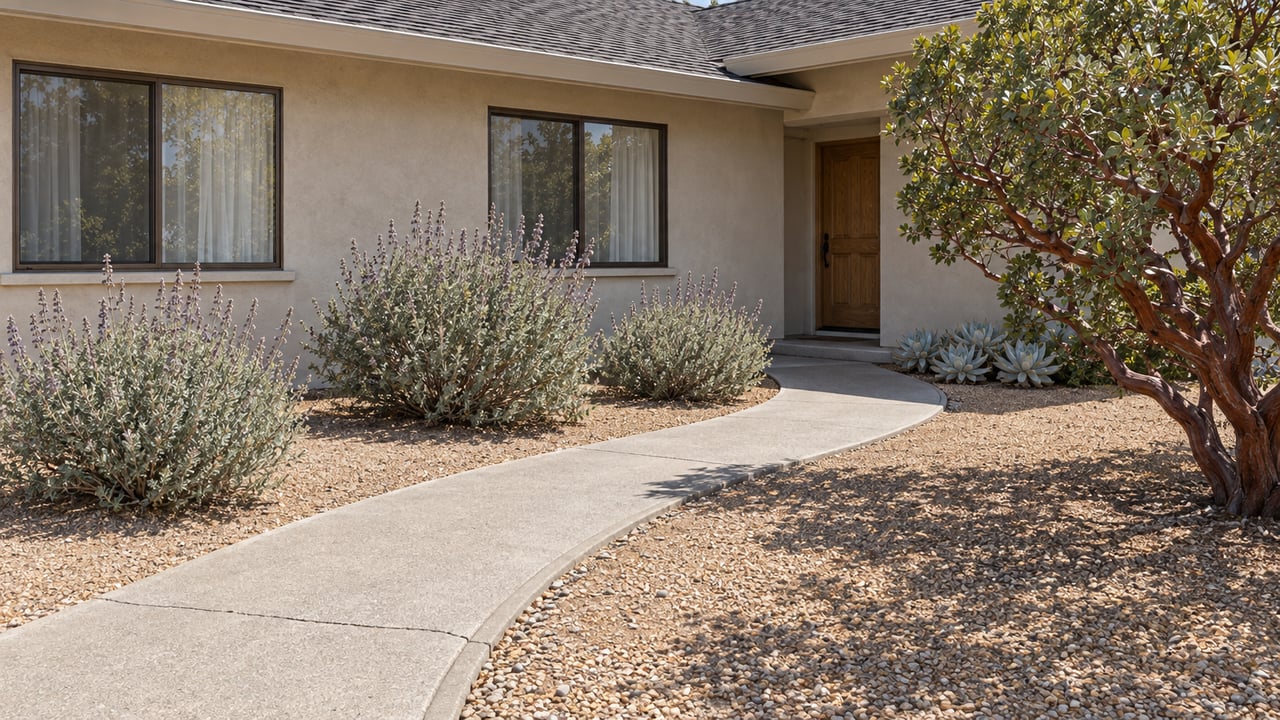
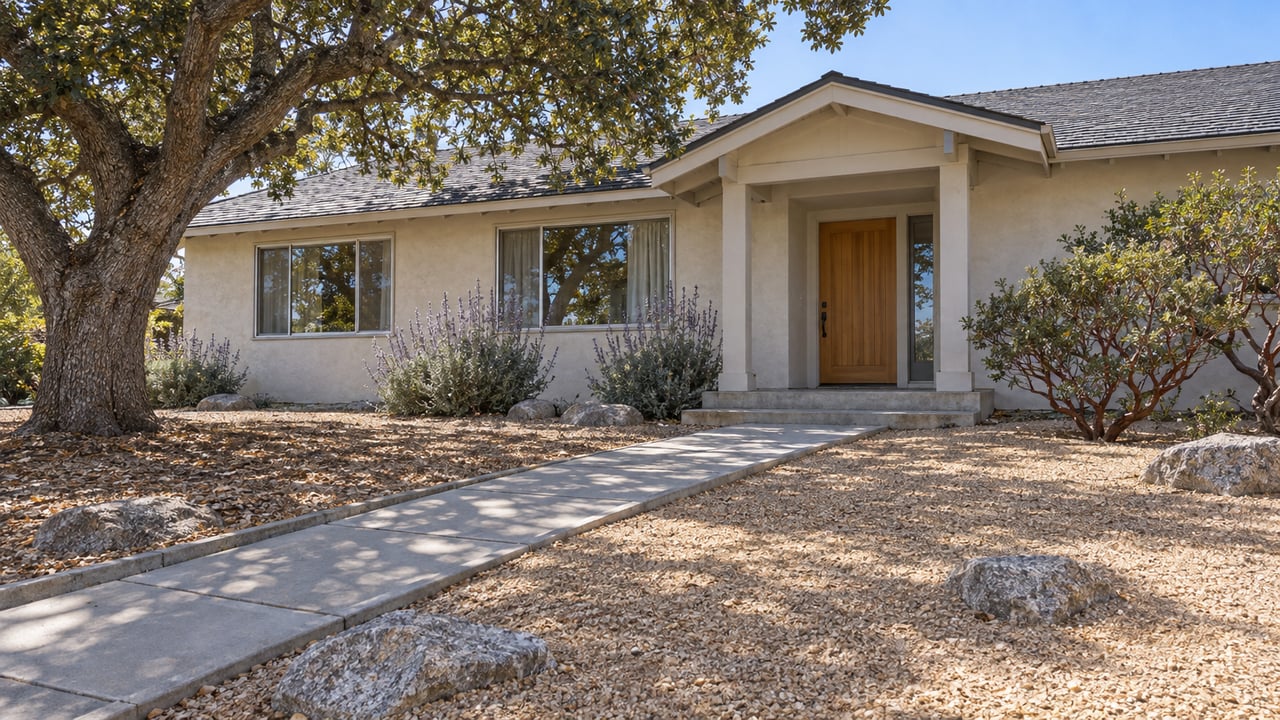
When you tour, pay attention to lot size, slope, and how homes sit on the street. These details affect parking, privacy, and long-term maintenance. Many buyers also look closely at the mix of original features versus recent remodels to estimate future upgrade costs.
- Walk the block to gauge setbacks and driveway slopes.
- Compare interior square footage to outdoor space, not just list photos.
- Ask for a 12-month snapshot of single-family versus condo sales to understand what’s typical.
- Confirm whether any HOA rules or fees apply on a given street before you fall in love.
Outdoor access and recreation
If time outside is a must for you, weigh proximity to neighborhood parks, regional open space, lakes, and trailheads. Shorter drives can make it easier to keep an active weekly routine.
- Map the nearest playgrounds, ball fields, and trail access points.
- Time the drive on a weekday after work to see if it fits your schedule.
- Check parking and crowd patterns on weekends if you prefer quieter spots.
Shopping, dining, and everyday errands
Daily convenience often comes down to where you buy groceries, grab coffee, and take care of basics like pharmacy or urgent care.
- Identify the closest full-service grocery options and compare drive times.
- Walk the local commercial strip to see restaurant variety and hours.
- Note whether services feel within walking distance or a short drive.
Commute and transit snapshot
Your commute decision is about predictability as much as distance. Drive the routes you would actually use at the times you would actually travel. If transit matters, review nearby bus or rail options and park-and-ride availability.
- Test peak-hour drives to downtown, major job centers, and the airport.
- Factor in school drop-off or pickup if that affects your timing.
- Check street parking rules if you plan to have multiple vehicles.
Community feel and activities
Neighborhood associations, seasonal events, and recreation programs can add structure to your weekly routine. If that matters to you, ask neighbors what they enjoy most and how often community events occur.
- Look for posted events at local community centers or parks.
- Visit on a weekday evening to observe after-dinner activity and noise levels.
- Note lighting, sidewalks, and how comfortable you feel walking at dusk.
Buyer profiles: finding your fit
Every household values different tradeoffs. Use these prompts to align your needs with the right streets and home types within either neighborhood.
Families with children
- Prioritize nearby parks, sports fields, and after-school options.
- Ask for current public school boundary maps and performance data from official sources.
- Focus tours on streets with larger yards or cul-de-sacs if that layout appeals to you.
Commuters and professionals
- Target listings with quick access to your preferred freeway route.
- Test multiple departure times to find your realistic commute window.
- Consider homes with dedicated office space for hybrid work.
Students and young professionals
- Compare rental availability and layouts that work for roommates.
- Walk to coffee shops and quick food spots to gauge evening energy.
- Review parking and street congestion if you keep irregular hours.
Downsizers and retirees
- Seek single-level homes or minimal-stair floor plans.
- Confirm proximity to clinics, pharmacies, and everyday services.
- Focus on lots with low-maintenance landscaping and good natural light.
Investors
- Request a 12-month breakdown of tenant-occupied versus owner-occupied sales.
- Evaluate rent potential based on nearby services and commute routes.
- Verify local rental rules and any HOA restrictions before underwriting.
What sellers should consider
If you plan to sell in San Carlos or Del Cerro, buyers will compare your home’s condition and convenience to similar options nearby. Lean into a clean, simple presentation and clear data.
- Pre-list inspection and light repairs can shorten days on market.
- Professional media helps highlight lot size, views, and outdoor living.
- Share nearby amenities and typical commute routes in your property remarks.
- Ask your agent for an updated 12-month pricing and days-on-market snapshot before you choose a list price.
A simple decision checklist
Use this quick list during tours to keep your choice clear.
- Commute: Peak-hour time to your top two destinations is within your limit.
- Home layout: Meets your bedroom count and mobility needs.
- Lot and street: Parking, slope, and noise fit your comfort level.
- Outdoor life: Parks, trails, or sports fields are easy to reach.
- Daily errands: Grocery, pharmacy, and coffee are a short drive.
- Budget and timing: The neighborhood’s recent comps align with your plan.
How we help you decide
A side-by-side neighborhood decision works best with current, local data. Our team pairs on-the-ground insight with a clean MLS snapshot so you can see real pricing, days on market, and inventory patterns before you make an offer. If you are selling, we combine that same neighborhood intelligence with premium marketing to reach more buyers and maximize your price.
Ready to compare San Carlos and Del Cerro with clarity? Reach out to Steven Sladek for a neighborhood consult or a free valuation.
FAQs
What is the best way to compare San Carlos and Del Cerro homes?
- Tour on the same day using a consistent checklist, then review a 12-month MLS snapshot for price, size, and days on market.
How can I estimate commute times from these neighborhoods?
- Drive your exact route during peak and off-peak hours on weekdays, then choose the timing that matches your daily routine.
Are there HOA rules to consider in either neighborhood?
- HOA presence varies by street, so confirm on each listing, review the CC&Rs, and verify fees before you write an offer.
How do I evaluate schools when comparing these areas?
- Use official school boundary maps and recent data from recognized education sources, then visit campuses and programs that match your needs.
What should sellers in these neighborhoods do before listing?
- Complete light repairs, order professional media, and ask your agent for a current 12-month pricing and days-on-market snapshot to set strategy.