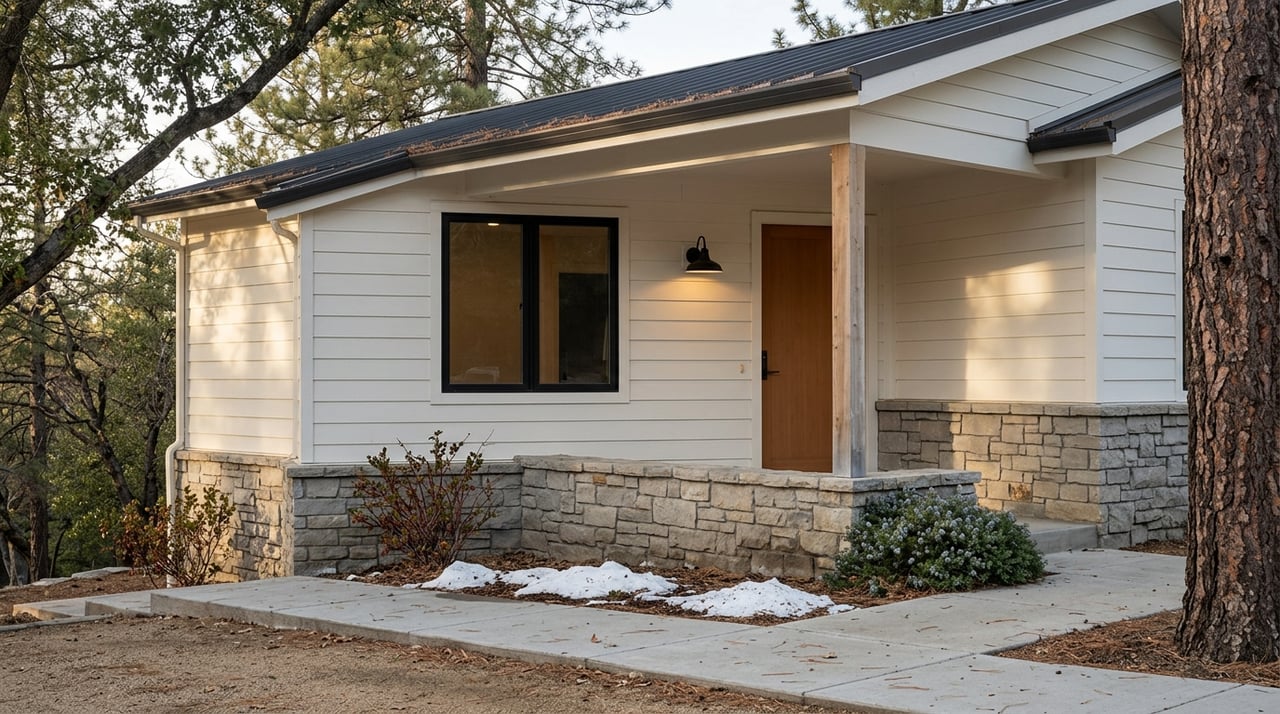
Thinking about listing your Julian cabin for weekend stays? Short-term rentals can be a smart way to offset costs, but the rules are layered and they change. You want to stay compliant, protect your property, and keep neighbors happy. This practical guide walks you through what applies in unincorporated Julian, who to call, and the steps to take before you host. Let’s dive in.
Julian rules at a glance
Julian is an unincorporated community in San Diego County. That means county regulations, not City of San Diego rules, typically apply. You may also be subject to HOA rules, private deed restrictions, and state fire or environmental requirements.
A short-term rental is commonly the rental of a home or a portion of it to guests for fewer than 30 days. Definitions vary by jurisdiction, so confirm the exact cutoff with the county before you list. Expect multiple layers: zoning and land-use rules, transient occupancy tax, building and safety codes, and nuisance enforcement.
Start with zoning and use
Your first step is to confirm that your parcel’s zoning allows short-term rental use. Contact San Diego County Planning & Development Services (PDS) to check your zoning designation and any use limits. Ask about owner-occupancy rules, caps on nights, or occupancy limits that may apply to your specific zone.
Also verify parking and event limits. Some areas restrict amplified sound, outdoor events, and street parking. In rural settings, access roads and driveway width can influence guest parking and emergency access. Get clarity on these items before you take bookings.
Registration, permits, and local contact
Many jurisdictions require hosts to register or obtain a permit. In unincorporated areas, check with PDS to see whether a short-term rental registration or permit is required for your Julian address. Ask about documentation, fees, and whether you must display a registration or permit number on your online listings.
Plan for a 24/7 local contact. Most programs require a person who can respond quickly to complaints or emergencies. You may also need posted house rules, a visible sign with contact information, and quiet hours. Clear communication and quick response are the best ways to stay in good standing.
Taxes: TOT and income
Short-term rentals are usually subject to transient occupancy tax. In San Diego County, hosts typically register with the Treasurer‑Tax Collector, collect transient occupancy tax from guests, file returns, and keep records. Ask whether your booking platform collects and remits on your behalf or if you must remit directly.
You should also speak with a CPA about income tax treatment and any business tax considerations. In some cases, how you operate can affect property tax classification. The County Assessor can help you understand potential impacts if a use is considered commercial. Keep thorough records from day one.
Safety, building, and health basics
Safety is not optional. Confirm building and safety requirements for short-term rentals with the county. Typical items include working smoke detectors, carbon monoxide detectors, safe egress from sleeping areas, posted maximum occupancy, and emergency contact and evacuation information.
Julian’s rural setting adds extra steps. Many homes rely on private septic systems and well water. Verify septic capacity and any well permits with the county’s environmental health or public health departments. Some counties require documentation that your septic can handle the expected guest load.
Wildfire readiness is critical. Coordinate with the San Diego County Fire Authority or CAL FIRE for defensible space guidance, evacuation planning, and any guest notices that may be required. Keep vegetation managed, post evacuation routes, and include wildfire safety steps in your guest guide.
Operations that keep you compliant
Good operations reduce complaints and protect your permit status if one is required. Put these practices in place:
- Create clear house rules for noise, occupancy, parking, and trash. Post them where guests can see them.
- Map on-site parking and make it obvious, so guests do not park on narrow roads.
- Set quiet hours that align with county standards and your surroundings.
- Provide a simple emergency info sheet with your local contact, evacuation routes, and nearest medical facilities.
- Use trash bins with tight-fitting lids and schedule pickups with local capacity in mind.
- Respond quickly to neighbor concerns. A fast response is often the difference between a resolved issue and a formal complaint.
Julian realities: seasonality and access
Julian draws visitors for apple orchards, outdoor recreation, and seasonal festivals. Demand can spike on weekends and during fall and holiday periods. Build your pricing and calendar around seasonality and consider minimum stay rules during peak weekends.
Infrastructure varies by property. Many roads are narrow and some lots are steep, which can complicate parking and snow or ice access in winter. Cell and internet service can be limited in certain pockets, which affects guest communication and any remote monitoring you use. Disclose these realities upfront to set expectations and reduce stress for guests and neighbors.
Neighbor relationships and nuisance management
Community attitudes about short-term rentals can be strong in rural tourist towns. Respect for your neighbors will go a long way. Keep parties and large events off the table unless clearly allowed. Limit outdoor amplified sound. Provide guests with a simple “good neighbor” guide that covers parking, quiet hours, and trash.
Understand enforcement pathways. In unincorporated areas, county code enforcement and the sheriff’s office typically handle nuisance complaints. Planning & Development Services enforces land-use and permit compliance. Repeated issues can lead to warnings, fines, or more serious actions. Prevention is always cheaper than enforcement.
Due diligence checklist
Use this checklist before you buy or before you list your property as a short-term rental:
- Verify legal and land use
- Confirm zoning and permitted uses with San Diego County PDS.
- Ask if a STR registration or permit is required and what documentation is needed.
- Confirm taxation and registration
- Register for transient occupancy tax with the Treasurer‑Tax Collector.
- Verify the current tax rate, filing schedule, and whether your booking platform remits for you.
- Consult a CPA about income tax and any business taxes.
- Review safety, code, and utilities
- Check building safety requirements: smoke/CO detectors, egress, posted occupancy.
- Confirm septic capacity and well permits with environmental health or public health.
- Maintain defensible space, post evacuation plans, and follow local fire guidance.
- Investigate HOA and private rules
- Review CC&Rs, architectural guidelines, and any rental limits or registration steps.
- Insurance and liability
- Get quotes for STR-specific coverage and confirm wildfire and guest liability protection.
- Operational readiness
- Line up a 24/7 local contact or property manager.
- Prepare house rules, emergency info, and guest wildfire instructions.
- Plan waste management and pickup schedules.
- Market and logistics
- Model occupancy and pricing with Julian’s seasonality in mind.
- Test internet and cell coverage and disclose any limits.
- Define parking to prevent overflow onto public roads.
Red flags to fix before hosting
Address these issues early to avoid complaints and costly repairs:
- Undersized or failing septic systems
- Limited on-site parking or unsafe road access
- HOA restrictions that prohibit or cap short-term rentals
- No reliable 24/7 local contact for guest issues
- Overgrown vegetation and poor defensible space
- Incomplete safety equipment or missing evacuation info
For buyers eyeing STR potential
If you are buying a home with short-term rental potential, build compliance into your due diligence. During escrow, call PDS to confirm zoning and any permit or registration obligations. Review CC&Rs and any private rental restrictions in detail. Check with the Treasurer‑Tax Collector about transient occupancy tax registration and filings.
Obtain quotes for STR-specific insurance, including wildfire risk and guest liability. Assess the septic and well status with the appropriate county health department. Finally, model revenue with Julian’s weekend and seasonal demand patterns, and be conservative on occupancy. Staying realistic helps you buy the right property and avoid surprises.
What to expect if complaints occur
Counties typically start with warnings or notices of violation. Continued issues can lead to fines, administrative penalties, and even permit suspension or revocation where applicable. Your best defense is a responsive local contact, strong house rules, clear guest communication, and consistent follow-through. Most problems are preventable with good operations.
Ready to move forward?
Short-term rentals in Julian can work well when you follow county rules, plan for rural realities, and operate with care. If you are considering buying or selling a Julian property with STR potential, you deserve clear answers before you act. For local guidance, due diligence support, and market insights, reach out to Steven Sladek. We will help you evaluate options and move forward with confidence.
FAQs
Do I need a permit to run a short-term rental in unincorporated Julian?
- Possibly. Contact San Diego County Planning & Development Services to confirm current registration or permit requirements for your specific address and zoning.
How does transient occupancy tax work for Julian short-term rentals?
- Hosts typically register with the County Treasurer‑Tax Collector, collect transient occupancy tax from guests, file returns on schedule, and keep records; confirm current rules and whether your platform remits for you.
Can my HOA block or restrict a short-term rental in Julian?
- Yes. HOA CC&Rs can prohibit or limit STRs, set parking or guest rules, and enforce fines; review all governing documents before you buy or list.
What safety and wildfire steps are expected for Julian rentals?
- Plan for smoke/CO detectors, safe egress, posted occupancy, emergency info, defensible space, and a clear evacuation plan; follow guidance from county fire authorities and CAL FIRE.
Who handles noise or nuisance complaints in unincorporated Julian?
- County code enforcement and the sheriff’s office typically handle nuisance, noise, and zoning concerns; prompt response by your 24/7 local contact helps prevent escalation.
Are there limits on occupancy, events, or parking at Julian STRs?
- Many areas set occupancy caps and restrict events or amplified sound, and require on-site parking solutions; verify specifics with county code and any HOA rules.